What is the best smart thermostat?
Smart thermostats have revolutionized home climate control by learning your preferences, optimizing energy usage, and providing remote access through smartphone apps. Our comprehensive comparison evaluates the top smart thermostats based on their learning capabilities, energy savings potential, ease of installation, smart home compatibility, and overall value to help you find the perfect match for your home.
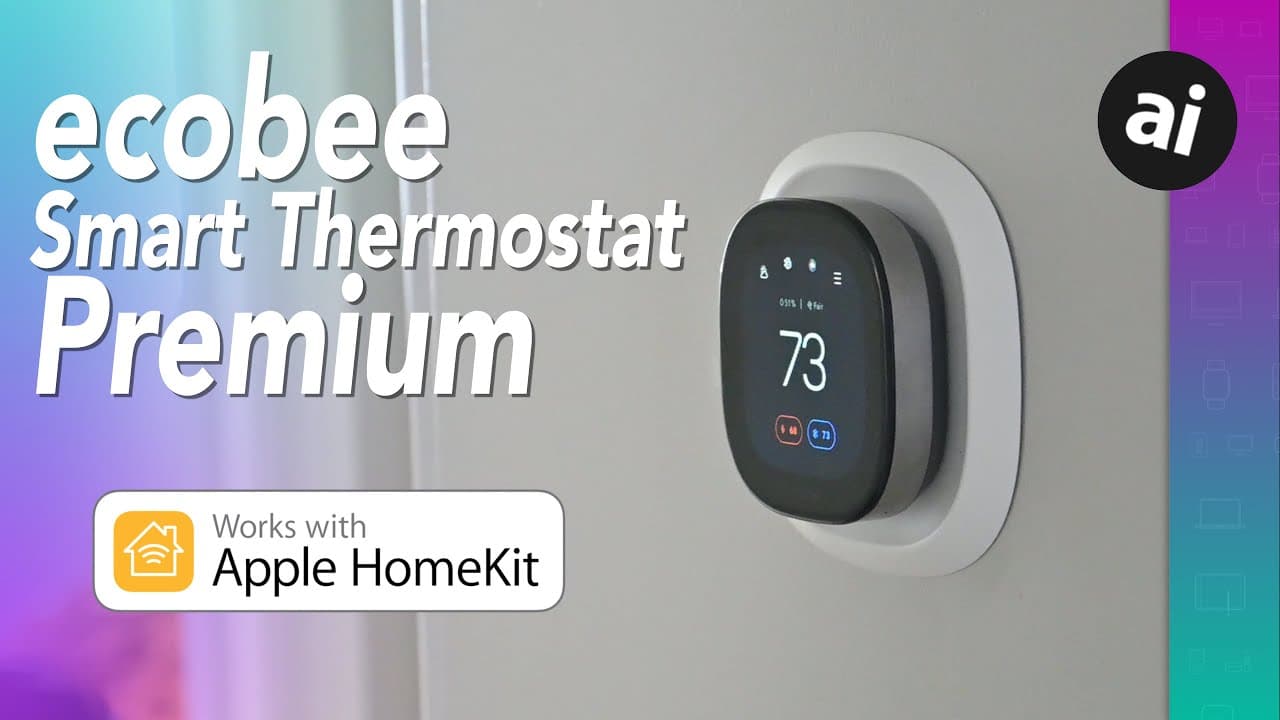
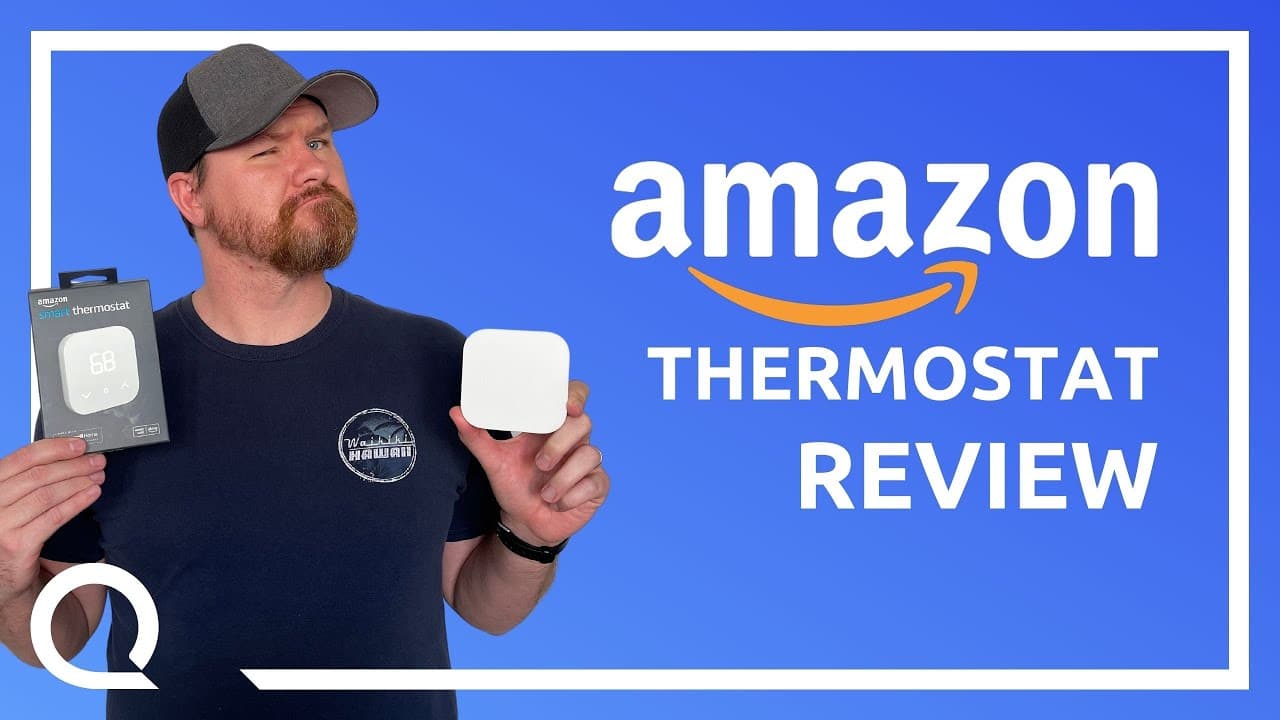
The Google Nest Learning Thermostat leads our ranking with its exceptional machine learning capabilities and premium design, while the Ecobee Smart Thermostat Premium stands out for its included room sensors and voice assistant integration. For budget-conscious buyers, the Amazon Smart Thermostat offers impressive Alexa integration at an unbeatable price point.

Pros
- CPRO
Industry-leading learning algorithm
The Nest Learning Thermostat uses sophisticated machine learning to study your temperature preferences and schedule, automatically creating an optimized heating and cooling pattern within a week of installation.
- LPRO
Sleek stainless steel design
Features a premium stainless steel construction with a distinctive rotating dial interface that blends seamlessly with modern home decor.
- NPRO
Automatic occupancy sensing
Built-in sensors detect when you leave and return home, automatically adjusting temperatures to save energy when the house is empty.
- PPRO
Works without common wire
Features a built-in rechargeable battery that allows installation in homes without a common (C) wire, expanding compatibility with older HVAC systems.
Cons
- SCON
Higher cost than competitors
At approximately $249, the Nest Learning Thermostat is one of the more expensive options on the market, which may not be justified for users who prefer manual scheduling.
Pros
- MPRO
SmartSensor included in the box
Ships with one SmartSensor that can be placed in another room to provide more accurate temperature readings and balance comfort throughout the home.
- EPRO
Voice assistant integration
Features built-in Alexa functionality, allowing voice commands directly to the thermostat without needing a separate smart speaker.
- DPRO
Monitors indoor air quality
Includes air quality sensors that detect volatile organic compounds (VOCs) and CO2 levels, providing alerts and recommendations for ventilation.
- CPRO
Works with all major ecosystems
Supports Apple HomeKit, Google Home, Amazon Alexa, and SmartThings, offering the most comprehensive smart home integration available.
Cons
- LCON
Larger footprint than competitors
The thermostat unit is larger than many competitors, which may not suit all wall locations or aesthetic preferences.
Pros
- NPRO
Best budget smart thermostat
Priced around $79, the Amazon Smart Thermostat offers smart home connectivity and energy-saving features at a fraction of the cost of premium models.
- PPRO
Seamless Amazon ecosystem integration
Works natively with Alexa for voice control and integrates seamlessly with other Amazon smart home devices and routines.
- SPRO
Simple DIY setup process
Designed for straightforward DIY installation with clear instructions and an included C-wire adapter for homes without a common wire.
Cons
- MCON
Simple backlit LCD screen
Features a basic backlit LCD display that lacks the premium appearance and touch functionality of more expensive thermostats.
- ECON
No advanced learning capabilities
Relies on manual scheduling or Alexa Hunches rather than sophisticated learning algorithms found in premium thermostats.
Frequently Asked Questions
The C-wire (common wire) provides continuous 24V power to your thermostat. While some smart thermostats like the Nest Learning Thermostat can work without one by charging from your HVAC system, many require a C-wire for reliable operation. If your home lacks a C-wire, options include using a C-wire adapter (often included with budget thermostats), installing an add-a-wire kit, or choosing a thermostat with a built-in rechargeable battery.
Smart thermostats can typically save 10-15% on heating and cooling costs, which translates to roughly $100-150 per year for the average household. Savings vary based on your climate, HVAC system, usage habits, and the thermostat features. Learning thermostats that auto-adjust based on occupancy and preferences tend to deliver the highest savings, while basic smart thermostats offer savings primarily through remote access and scheduling.
Most smart thermostats are designed for DIY installation and can be completed in 30-60 minutes with basic tools. The process typically involves turning off HVAC power, removing your old thermostat, labeling and connecting wires to the new unit, and configuring the app. However, if your existing system has unusual wiring, requires a C-wire installation, or uses high-voltage heating (like baseboard heaters), professional installation is recommended.
Most smart thermostats work with Amazon Alexa and Google Home for voice control. Apple HomeKit support is less common and typically found in premium models like the Ecobee Smart Thermostat Premium and Emerson Sensi Touch 2. Samsung SmartThings compatibility is available on select models. When choosing a thermostat, verify it supports your preferred smart home ecosystem to ensure seamless integration with your existing devices.
Room sensors are wireless temperature and occupancy sensors placed in different rooms to provide more accurate temperature readings throughout your home. They help address hot and cold spots by averaging temperatures across rooms or prioritizing the room you are in. Thermostats like the Ecobee Premium include sensors, while others like the Honeywell T9 offer them as add-ons. They are particularly valuable for multi-story homes or homes with uneven heating/cooling.