What is the best air purifier for allergies?
A comprehensive comparison of the best air purifiers specifically designed for allergy relief. We evaluate HEPA filtration efficiency, coverage area, noise levels, and smart features to help allergy sufferers find the most effective solution for cleaner indoor air.
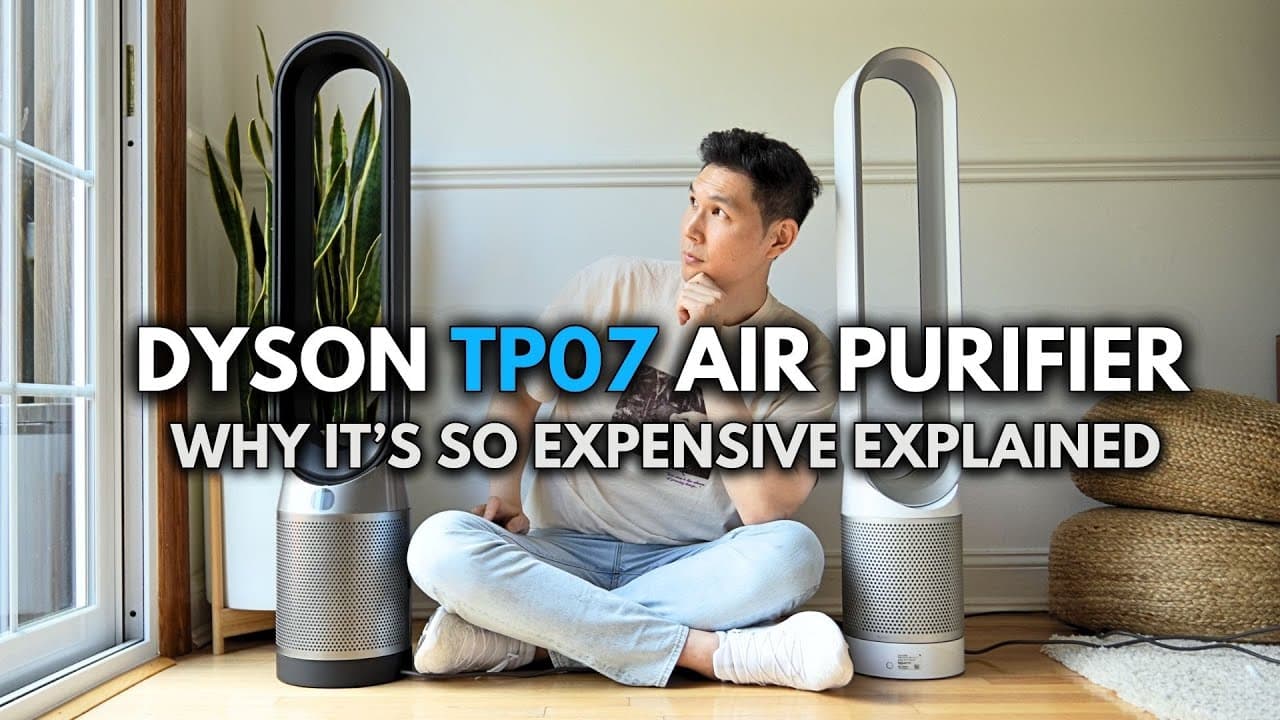
After extensive testing and analysis, the Dyson Purifier Cool TP07 emerges as our top pick for allergy sufferers thanks to its sealed HEPA+Carbon filtration system and real-time air quality monitoring. For those seeking excellent value, the Levoit Core 600S offers impressive performance at a more accessible price point.
Pros
- CPRO
Superior filtration system
The TP07 features a fully sealed HEPA+Carbon filtration system that captures 99.97% of particles as small as 0.3 microns, including pollen, dust mites, and pet dander.
- LPRO
Intelligent air quality display
Built-in sensors detect pollutants and display real-time air quality data on the LCD screen and companion app, allowing users to monitor allergen levels continuously.
- NPRO
Multi-functional design
The purifier features Air Multiplier technology that projects purified air throughout the room while also functioning as a bladeless cooling fan during warmer months.
- PPRO
Ultra-quiet night mode
Night mode dims the display and operates at a barely audible 40dB, making it suitable for bedroom use without disrupting sleep.
Cons
- SCON
High initial investment
The TP07 commands a premium price compared to competing purifiers, which may be prohibitive for budget-conscious buyers.
Pros
- CPRO
Exceptional room coverage
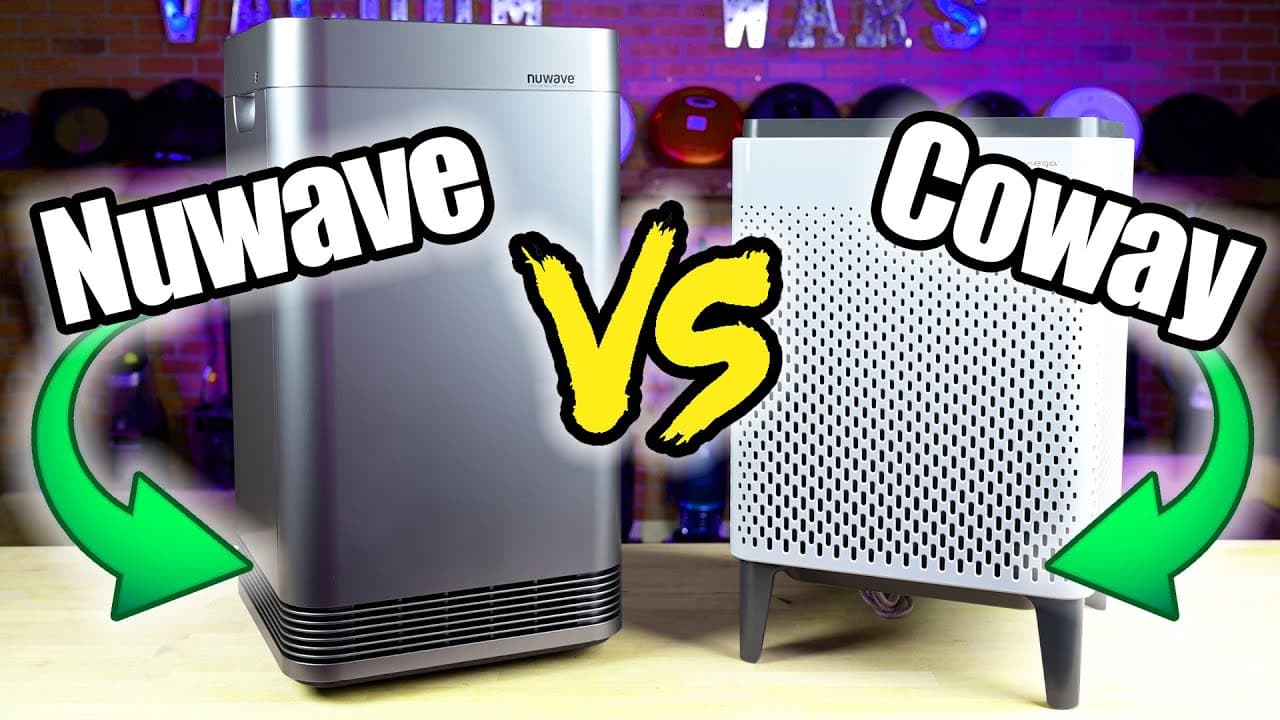
With a coverage area of up to 1,560 square feet, the Airmega 400 can purify large living spaces, open-concept homes, or multiple rooms simultaneously.
- LPRO
Efficient dual-filter design
Two-sided intake with dual Max2 filters processes air more efficiently, capturing allergens from multiple angles for faster room purification.
- NPRO
Intelligent auto-adjustment
Smart Mode automatically adjusts fan speed based on real-time air quality readings, maintaining optimal air quality without manual intervention.
Cons
- PCON
Large physical dimensions
The unit requires significant floor space due to its size, which may present placement challenges in smaller living spaces.
- SCON
Expensive filter replacements
The proprietary Max2 filters carry a premium price and need replacement annually, adding to long-term ownership costs.
Pros
- CPRO
Advanced filtration with low noise
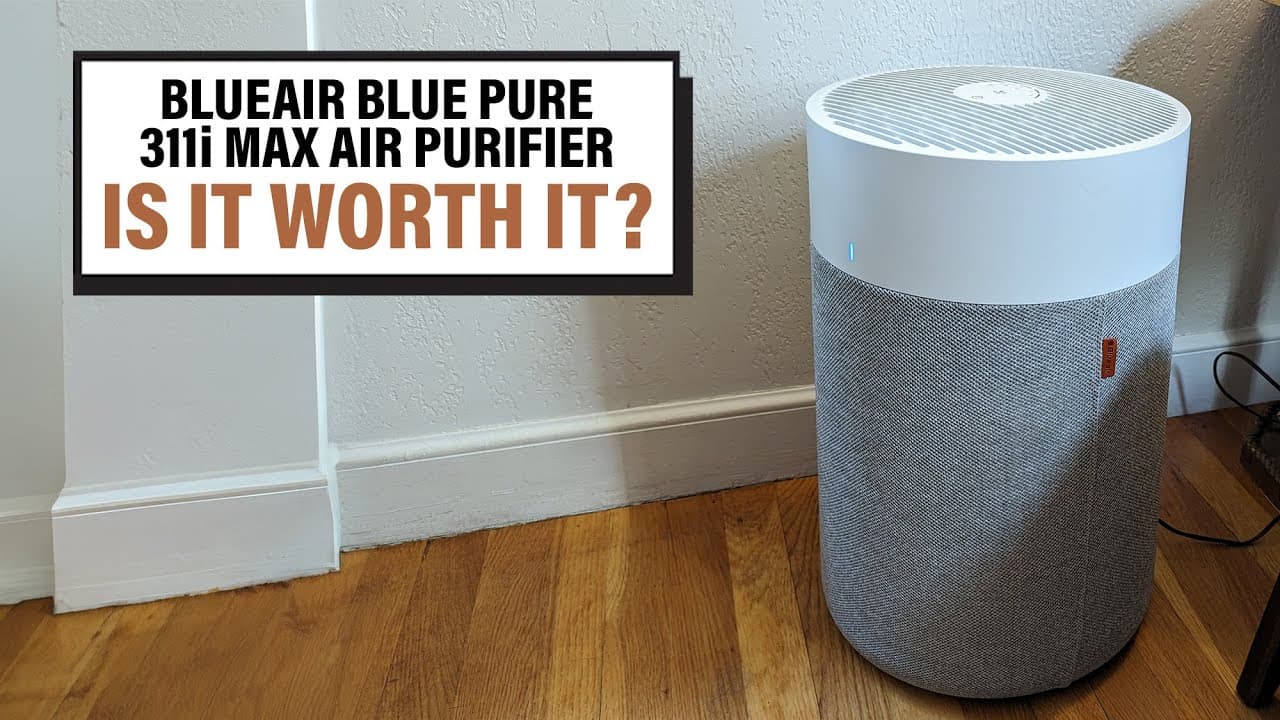
The proprietary HEPASilent Ultra combines electrostatic and mechanical filtration to capture 99.99% of particles while maintaining whisper-quiet operation.
- LPRO
Library-quiet performance
Operating at just 31dB at low speed, this purifier runs quieter than a whisper, ideal for bedrooms, offices, and nurseries.
- NPRO
Full Wi-Fi connectivity
The companion app provides remote control, scheduling, filter life monitoring, and integration with voice assistants for hands-free operation.
Cons
- PCON
Limited to medium rooms
The 673 sq ft coverage may not be sufficient for large open-plan spaces, potentially requiring multiple units for whole-home purification.
- SCON
6-month filter lifespan
Filters require replacement every 6 months, which is more frequent than some competitors and increases annual operating costs.
Frequently Asked Questions
True HEPA filters are the gold standard for allergy relief, capturing 99.97% of particles as small as 0.3 microns. This includes common allergens like pollen, dust mites, pet dander, and mold spores. Look for H13 or H14 rated HEPA filters for the highest filtration efficiency. Some purifiers also include activated carbon filters that help with odors and VOCs.
Calculate your room size in square feet and compare it to the purifier coverage rating. For optimal allergy relief, choose a purifier rated for a space 20-30% larger than your actual room size, as this allows for faster air cleaning. Also check the CADR (Clean Air Delivery Rate) rating - higher numbers mean faster air purification. For allergy sufferers, aim for a CADR of at least 200 for dust and pollen.
Filter replacement frequency varies by model and usage. Most HEPA filters need replacement every 6-12 months, while pre-filters may need monthly cleaning. Heavy use during high pollen seasons or in dusty environments may require more frequent changes. Many modern purifiers include filter life indicators that track actual usage. Neglecting filter replacement reduces efficiency and can actually worsen air quality.
Yes, air purifiers can significantly reduce indoor allergen levels and provide relief for seasonal allergy sufferers. True HEPA purifiers are particularly effective at capturing pollen particles that enter through doors, windows, and on clothing. For best results, run the purifier continuously during allergy season, especially in bedrooms. Studies show that HEPA air purifiers can reduce airborne allergens by 50-90% when used properly.
CADR (Clean Air Delivery Rate) measures how quickly an air purifier can filter specific pollutants from the air. It is expressed in cubic feet per minute (CFM) for three particle types: smoke, dust, and pollen. For allergy relief, focus on the dust and pollen CADR ratings. Higher CADR means faster filtration. As a guideline, the pollen CADR should be at least two-thirds of your room square footage for effective allergy control.