What is the best countertop microwave?
A comprehensive comparison of the top countertop microwaves for 2025, evaluating heating performance, features, versatility, and value. From multi-function combo units with air frying capabilities to reliable budget options, this guide covers microwaves for every kitchen and budget.
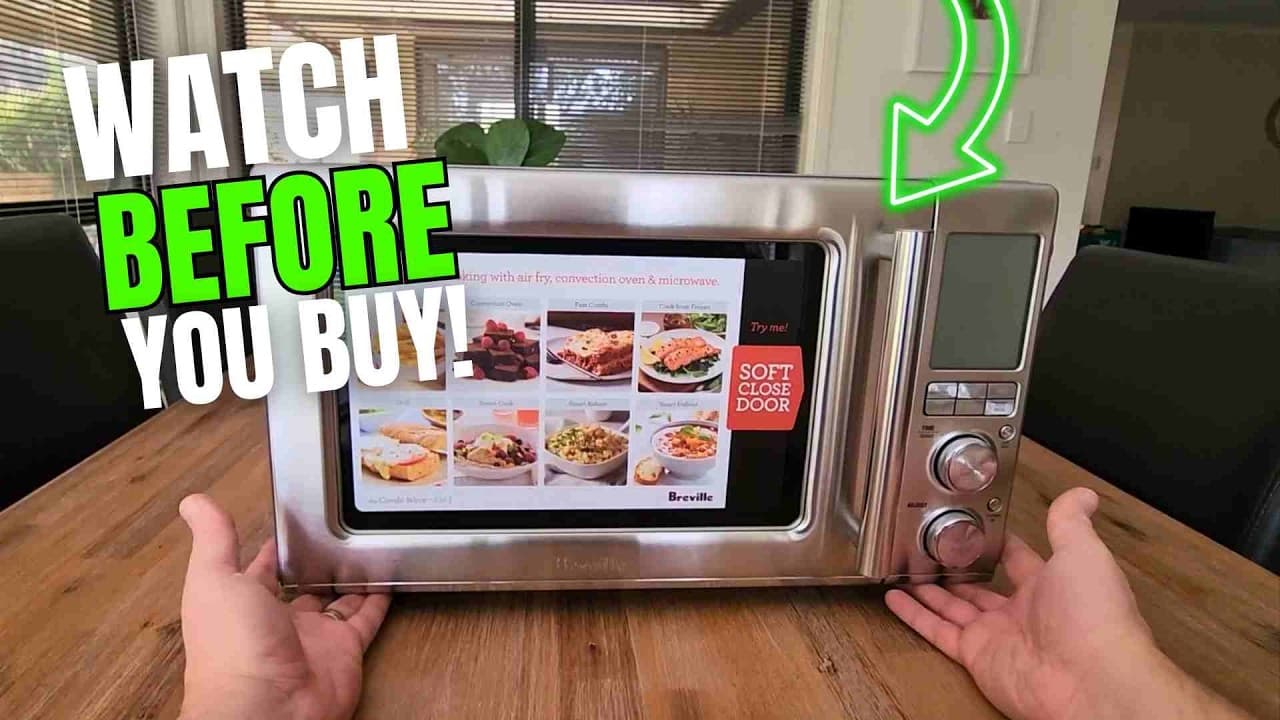
After extensive testing and research, the Panasonic HomeChef 4-in-1 NN-CD87KS stands out as the best overall countertop microwave for its exceptional versatility, combining microwave, air fryer, convection, and broiler functions in one appliance. For those seeking premium build quality and performance, the Breville Combi Wave 3-in-1 offers excellent results. Budget-conscious buyers will find great value in the Magic Chef HMM1110B, which delivers solid performance at an affordable price point.

Pros
- CPRO
Exceptional Versatility
Combines microwave, air fryer, convection oven, and broiler functions in one appliance, reducing countertop clutter while providing multiple cooking options.
- LPRO
Even Heating Performance
Panasonic inverter technology delivers consistent power for even cooking and defrosting without overheating edges while leaving centers frozen.
- SPRO
Easy to Clean Interior
The concealed heating element prevents food splatter buildup and simplifies cleaning compared to models with exposed elements.
- MPRO
Automatic Sensor Adjustments
The Genius Sensor detects steam levels and automatically adjusts cooking time and power level for optimal results.
Cons
- ECON
Loud Post-Cooking Fan
The cooling fan runs for up to 6 minutes after cooking cycles complete, which can be disruptive in quiet environments.
Pros
- NPRO
Superior Construction
Features brushed stainless steel exterior and high-quality internal components that match the premium price point.
- PPRO
Multi-Function Cooking
Combines microwave, air fryer, and convection oven capabilities in a single well-designed appliance.
- DPRO
User-Friendly Interface
Well-organized control panel with clear labeling makes operation straightforward even for first-time users.
Cons
- CCON
High Price Point
At around $500, costs significantly more than comparable multi-function microwaves from other manufacturers.
- SCON
Limited Interior Space
The 1.1 cubic foot capacity may be restrictive for larger families or cooking bigger portions.
Pros
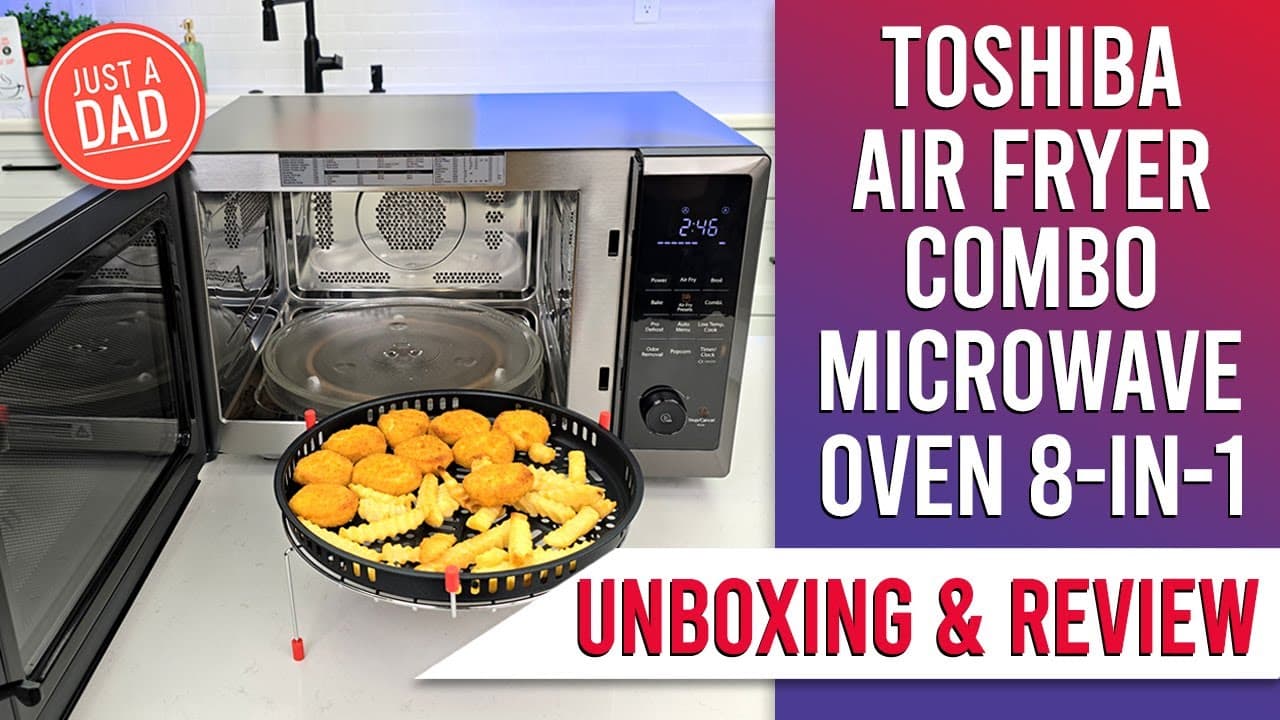
- LPRO
Maximum Versatility
Offers microwave, air fry, convection, broil, defrost, sensor cook, and combination cooking modes for comprehensive meal preparation.
- MPRO
Strong Value Proposition
Provides multi-function capabilities at a lower price point than premium competitors like Breville.
- EPRO
Consistent Power Delivery
Inverter technology ensures even heating without the hot and cold spots common in standard microwaves.
Cons
- NCON
Complex Control System
The extensive feature set requires time to learn, with preset codes only listed inside the microwave rather than on the control panel.
Frequently Asked Questions
Most countertop microwaves range from 700 to 1200 watts. For general use, 1000 watts provides a good balance of cooking speed and efficiency. Higher wattage (1100-1200W) cooks faster and is better for larger portions, while 700-900W models are suitable for basic reheating and smaller spaces. Keep in mind that higher wattage typically means larger size and higher energy consumption.
Inverter technology allows the microwave to deliver consistent power at lower settings rather than cycling between full power and off. This results in more even cooking and defrosting, preventing overcooked edges with frozen centers. Microwaves with inverter technology (like Panasonic models) are worth the investment if you frequently defrost meat, reheat delicate foods, or want better cooking results overall.
Multi-function microwaves that include air frying, convection, and broiling capabilities are ideal if you want to consolidate kitchen appliances and save counter space. They can replace a toaster oven and air fryer while adding microwave convenience. However, they typically cost $250-500 more than basic microwaves and may not perform quite as well as dedicated appliances in each function. Consider your cooking habits and kitchen space when deciding.
Microwave capacity is measured in cubic feet. Compact models (0.5-0.9 cu ft) are suitable for dorm rooms, offices, and small kitchens but may not fit large dinner plates. Mid-size models (1.0-1.4 cu ft) accommodate standard dinner plates and work well for most households. Large capacity models (1.5-2.2 cu ft) can handle casserole dishes and are best for families who cook large portions or entertain frequently.
Sensor cooking automatically detects moisture levels in food and adjusts cooking time and power accordingly. This feature reduces guesswork and helps prevent overcooking or undercooking. While not essential for basic reheating, sensor cooking is particularly useful for cooking vegetables, reheating leftovers, and defrosting. Models with good sensor technology typically cost $50-100 more than comparable non-sensor models.
Budget microwaves ($60-100) offer basic functionality suitable for simple reheating and cooking tasks. Mid-range models ($100-250) typically include better build quality, more presets, and features like sensor cooking. Premium microwaves ($250-500) offer multi-function capabilities (air fry, convection), inverter technology, and superior construction. The best value often lies in the $150-250 range, where you get reliable performance and useful features without paying for extras you may not use.