What is the best pressure cooker?
A comprehensive comparison of the best pressure cookers on the market, from multi-cookers like the Instant Pot to premium stovetop options. We evaluate cooking performance, ease of use, versatility, safety features, and overall value to help you find the perfect pressure cooker for your kitchen.
After thorough testing and analysis, the Instant Pot Duo Plus emerges as our top pick for its exceptional versatility, reliable performance, and outstanding value. For those seeking premium stovetop performance, the Fissler Vitaquick offers unmatched build quality and precision cooking.
Pros
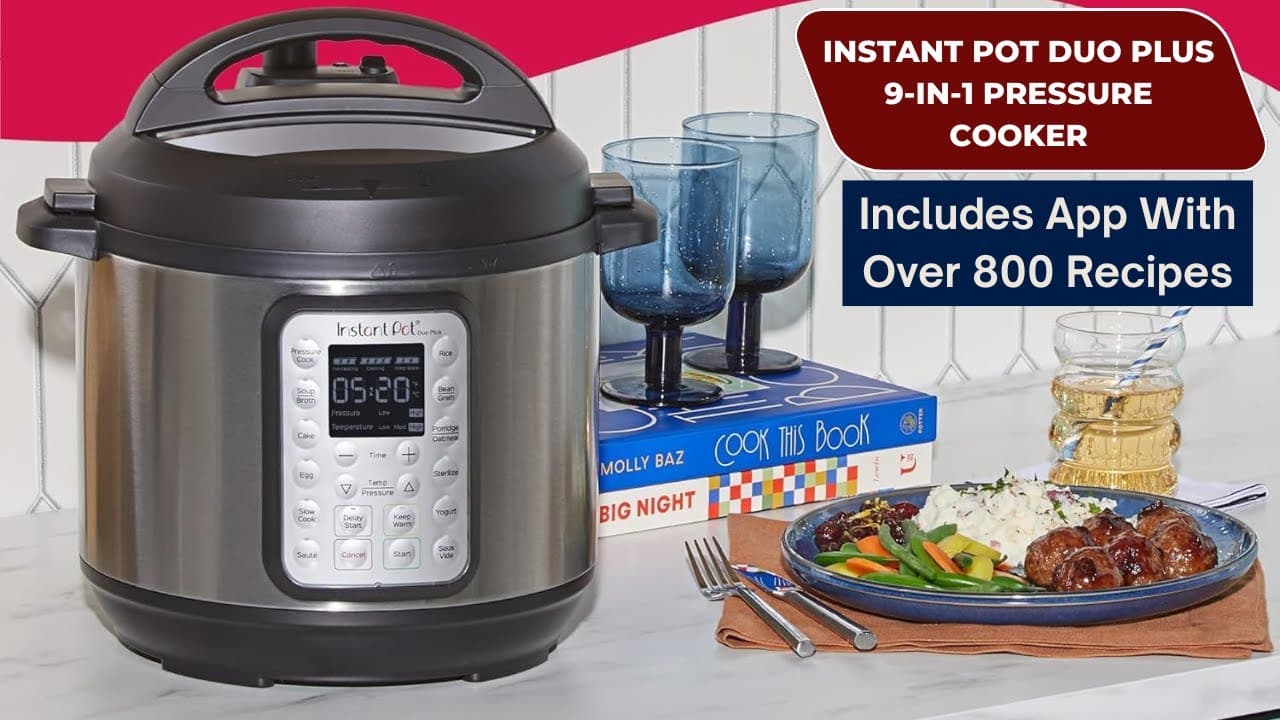
- NPRO
Versatile cooking programs.
The 15 preset programs cover a wide range of cooking tasks including rice, soup, yogurt, steaming vegetables, and even desserts like cheesecake.
- SPRO
Best value multi-cooker.
For under $100 users get a pressure cooker, slow cooker, rice cooker, yogurt maker, and more. Can not beat this value.
- CPRO
Beginner-friendly controls.
Clearly labeled buttons and intuitive preset programs make this accessible for pressure cooking beginners. The interface requires minimal learning curve to operate safely and effectively.
- LPRO
Excellent for slow-cooked meats.
Produces fall-off-the-bone tender ribs and pulled pork consistently, reducing traditional 8-hour cooking times to under 2 hours.
Cons
- PCON
Extended pressurization time.
The unit requires 10-15 minutes to reach pressure before cooking begins. This pressurization time should be factored into meal planning, as the name "Instant Pot" can be misleading.
Pros
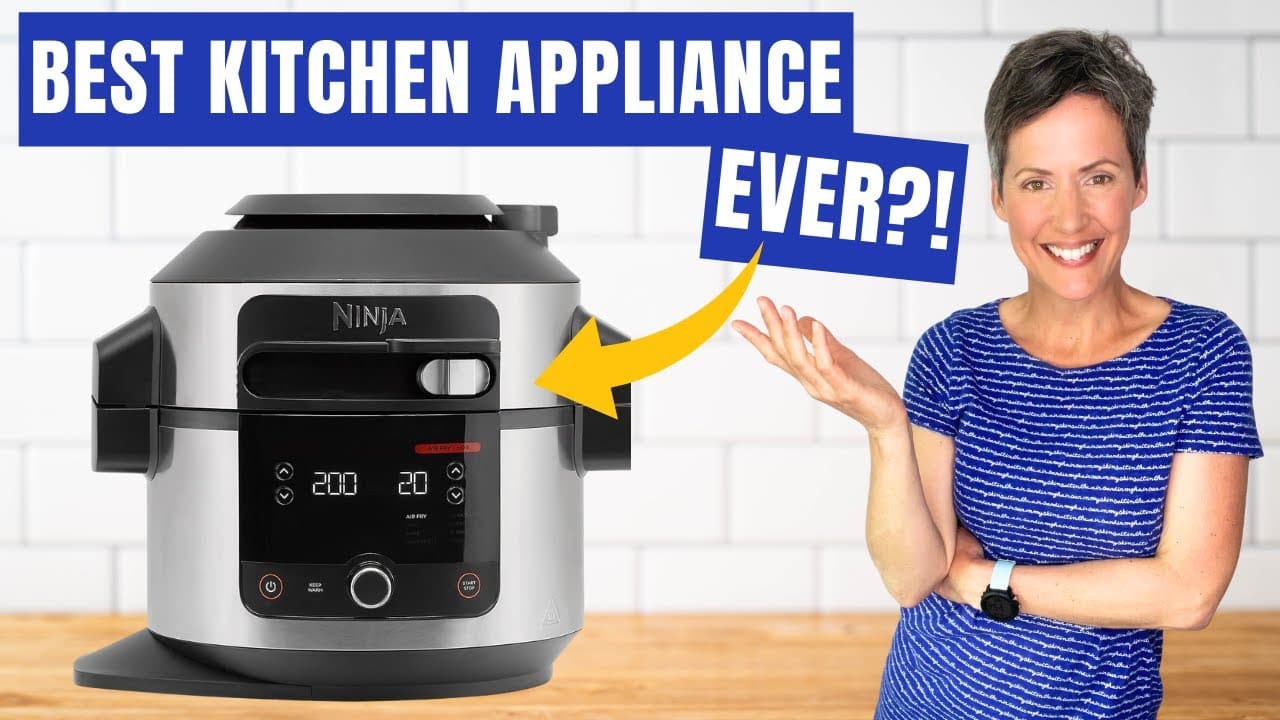
- MPRO
The ultimate combo appliance.
Sold the air fryer after getting the Ninja Foodi. Having both functions in one appliance saves very much counter space and the air frying is good.
- EPRO
Pressure-to-crisp capability.
The crisping lid allows pressure cooking meat until tender, then switching to achieve a golden crust finish. This dual-stage cooking produces superior results for items like wings.
- DPRO
14 versatile cooking functions.
The 14 cooking functions encompass baking, roasting, dehydrating, air frying, and pressure cooking, handling diverse recipes from main dishes to homemade jerky.
Cons
- CCON
Needs a lot of counter space.
The substantial footprint requires careful measurement before purchase. Small kitchens may need reorganization to accommodate the unit. Measure counter space carefully before buying.
- LCON
Takes time to master all the functions.
With very many features, it took users a few weeks to figure out how to use everything properly. The manual could be better.
Pros
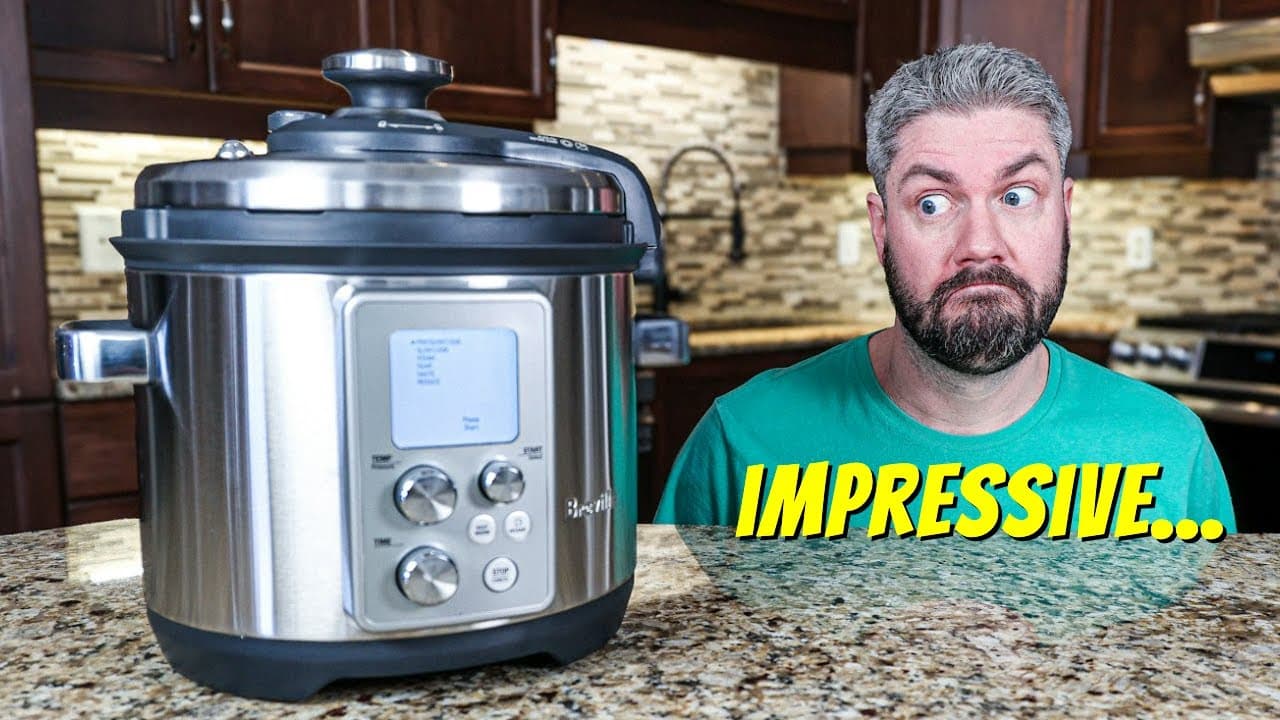
- PPRO
Hands-free pressure release.
Set it and forget it. The automatic slow release feature is perfect - no more standing there waiting to manually release steam.
- SPRO
Built to last.
Everything about this unit feels reliable and well-made. Heavy-duty construction that should last for years. Breville knows what they are doing.
- NPRO
Most informative display on the market.
Features it shows the actual pressure level and temperature while cooking. No more guessing - users know exactly what stage the food is at.
Cons
- MCON
Very expensive.
Its a great pressure cooker but at almost $300, its hard to recommend over something like the Instant Pot unless users want those premium features.
- ECON
Fewer cooking programs.
Compared to the Instant Pot, there are fewer one-touch presets. Users end up manually adjusting settings more often.
Frequently Asked Questions
Electric pressure cookers like the Instant Pot are programmable, offer set-it-and-forget-it convenience, and include multiple cooking functions. Stovetop pressure cookers like the Fissler Vitaquick reach higher pressures for faster cooking and better results, but require more attention during use. Electric models are better for beginners, while stovetop models appeal to experienced cooks who want maximum performance.
Modern pressure cookers are extremely safe. They feature multiple safety mechanisms including locking lids that prevent opening under pressure, pressure release valves, and sensors that detect lid position. Both electric and stovetop models must meet strict safety standards. Just follow the manufacturer instructions, do not overfill, and ensure the sealing ring is properly in place.
A 6-quart pressure cooker is the most popular size and works well for families of 2-4 people. If you regularly cook for larger groups or like to meal prep, consider an 8-quart model. Smaller 3-quart models exist for singles or couples, but they limit what you can cook. Remember that you should never fill a pressure cooker more than two-thirds full.
Only stovetop pressure cookers that reach 15 PSI can be used for pressure canning. Most electric pressure cookers, including the Instant Pot, do not reach high enough pressure and are not approved for canning by the USDA. If canning is important to you, look specifically for models rated for pressure canning or choose a dedicated stovetop pressure canner.
Most inner pots and lids are dishwasher safe, but check your manual. The sealing ring should be removed and cleaned after each use, and replaced every 12-18 months or when it becomes worn or cracked. Wipe down the heating element and lid sensors regularly. For stovetop models, avoid using abrasive cleaners on stainless steel surfaces.