What is the best home security camera?
A comprehensive comparison of the top home security cameras for 2024, evaluating video quality, smart features, night vision capabilities, storage options, and overall value. We analyze indoor and outdoor cameras from leading brands to help you find the perfect solution for monitoring your home.
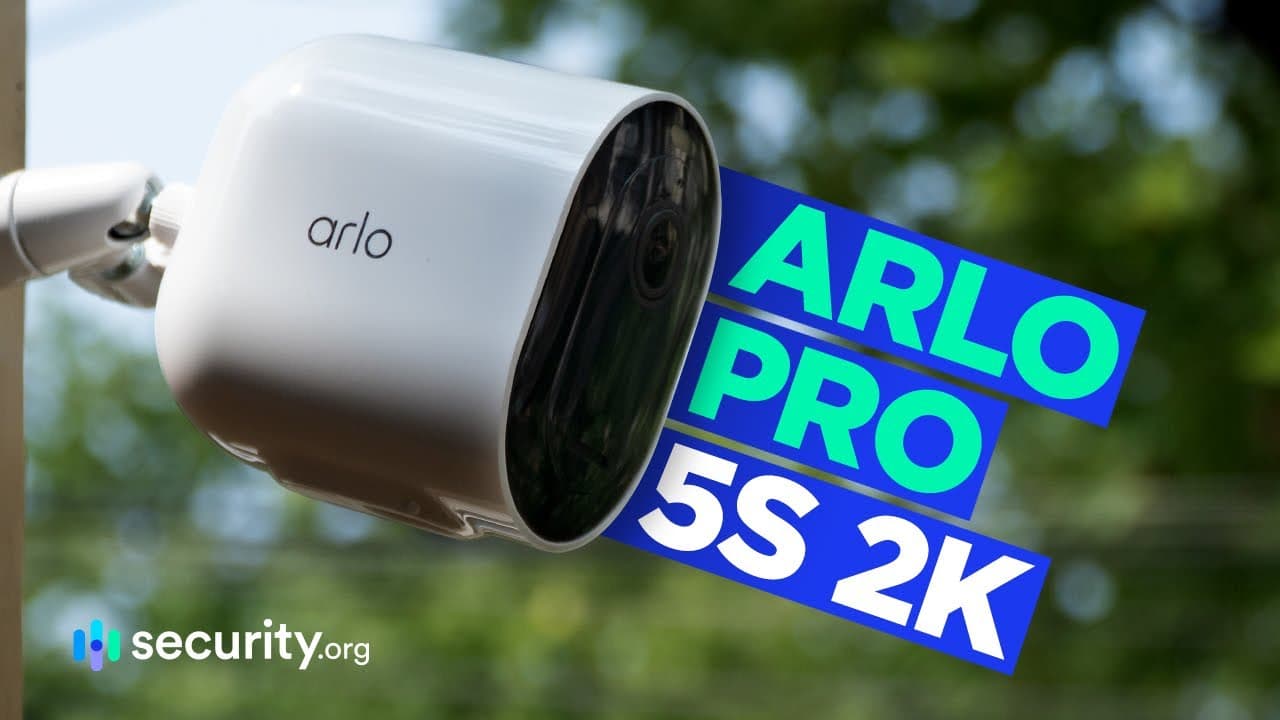
After extensive testing, the Arlo Pro 5S 2K Spotlight Camera emerges as our top pick for its excellent video quality, advanced AI detection, and versatile indoor/outdoor design. For budget-conscious buyers, the Wyze Cam v3 offers incredible value with impressive features at a fraction of the price.

Pros
- CPRO
Superior Video Quality
The 2K resolution captures sharp, detailed footage with excellent color accuracy, making it easy to identify faces and license plates.
- LPRO
Smart AI Detection
Built-in AI distinguishes between people, vehicles, animals, and packages, reducing false alerts significantly.
- NPRO
Color Night Vision with Spotlight
The integrated spotlight enables full-color night vision, providing clear footage even in complete darkness.
Cons
- PCON
Cloud Storage Requires Subscription
Full access to cloud storage features and AI detection requires an Arlo Secure subscription, adding to ongoing costs.
- SCON
Higher Initial Cost
The camera carries a premium price point compared to competitors with similar specifications.
Pros
- MPRO
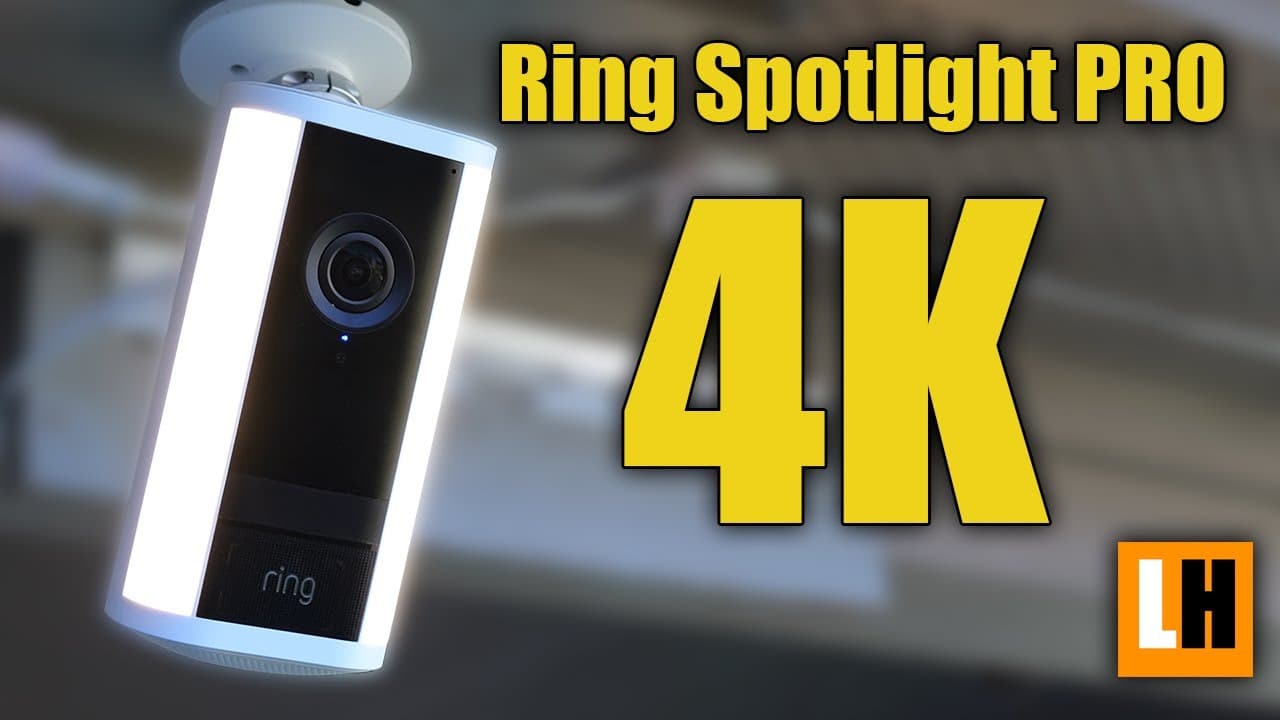
Seamless Ring Ecosystem Integration
Integrates flawlessly with other Ring devices and works perfectly with Alexa for voice control and smart home automation.
- EPRO
Clear Two-Way Audio
Features noise-canceling two-way talk that provides crisp communication even in noisy outdoor environments.
- DPRO
Integrated Security Features
Includes a 110-decibel siren and LED spotlight for deterrence, activated manually or through motion detection.
Cons
- CCON
Ring Protect Required for Video History
Accessing video history and sharing clips requires a Ring Protect subscription; without it, functionality is limited.
- LCON
1080p Resolution Limitation
While HDR improves image quality, the 1080p resolution falls short of 2K and 4K offerings from competitors.
Pros
- NPRO
Deep Google Home Integration
Provides the best integration with Google Home ecosystem, including voice control and seamless smart home automation.
- PPRO
Versatile Power Options
Can run on battery or wired power, providing flexibility for different installation scenarios.
- SPRO
Familiar Face Recognition
The camera learns to recognize familiar faces and can send personalized notifications when known people are detected.
Cons
- MCON
No Local Storage Option
Relies entirely on cloud storage with no local backup option, which may concern privacy-focused users.
- ECON
Nest Aware Subscription Expense
Advanced features like 24/7 video history and intelligent alerts require the higher-tier Nest Aware Plus subscription.
Frequently Asked Questions
Most home security cameras offer basic functionality without a subscription, but advanced features like cloud storage, AI-powered detection, and video history typically require a monthly plan. Cameras like Wyze and eufy offer local storage options that eliminate ongoing costs, while Ring, Arlo, and Nest require subscriptions for full functionality. Subscription costs typically range from $3 to $20 per month depending on features and number of cameras.
Outdoor cameras are weather-resistant with IP ratings (like IP65 or IP67) to withstand rain, snow, and temperature extremes. They typically feature more robust construction and mounting options. Indoor cameras are designed for climate-controlled environments and often include additional features like two-way audio for baby monitoring. Some cameras, like the Google Nest Cam and Wyze Cam v3, are designed for both indoor and outdoor use.
Storage needs depend on recording quality, frequency, and retention period. A single 1080p camera recording continuously uses approximately 60-100GB per week. Motion-activated recording significantly reduces storage requirements. Cloud subscriptions typically offer 30-60 days of history, while local storage options like microSD cards (up to 256GB) or USB drives can store weeks to months of footage depending on capacity and settings.
Modern battery-powered cameras offer comparable video quality to wired models, with the advantage of flexible placement and easier installation. However, they have limitations: batteries need periodic recharging (every 3-12 months depending on activity), continuous recording drains batteries quickly, and extreme temperatures affect battery performance. Wired cameras provide constant power for features like 24/7 recording and more frequent motion checks. Solar panel accessories can extend battery life indefinitely for outdoor cameras.
For most home security needs, 1080p (Full HD) provides sufficient detail to identify faces and read license plates at reasonable distances. 2K resolution offers noticeably sharper images and is recommended for larger areas or when identifying fine details is critical. 4K cameras provide the highest detail but require more storage and bandwidth, and may be overkill for typical residential use. HDR capability is often more important than raw resolution for handling challenging lighting conditions.