What is the best espresso machine under $500?
A comprehensive comparison of the best espresso machines under $500 for home baristas. We evaluate semi-automatic and super-automatic machines based on espresso quality, ease of use, build quality, milk frothing capability, and overall value. Whether you are a beginner or experienced home barista, these machines offer excellent performance without breaking the bank.
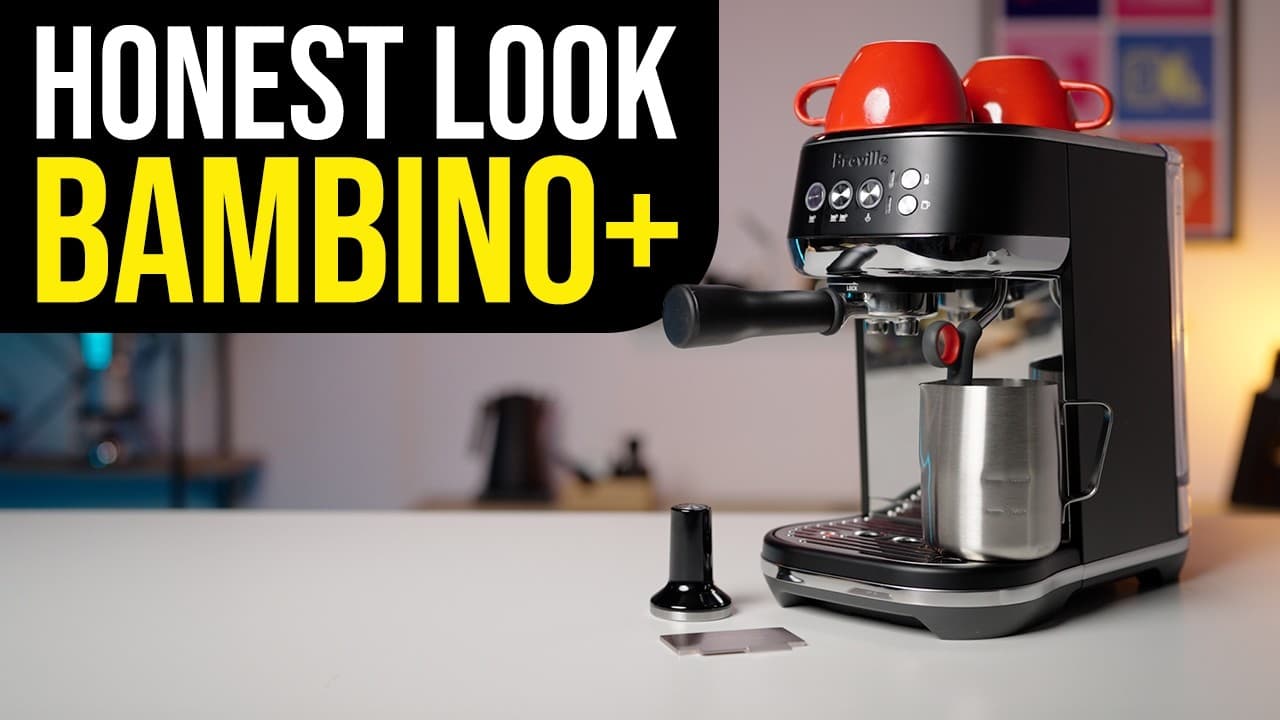
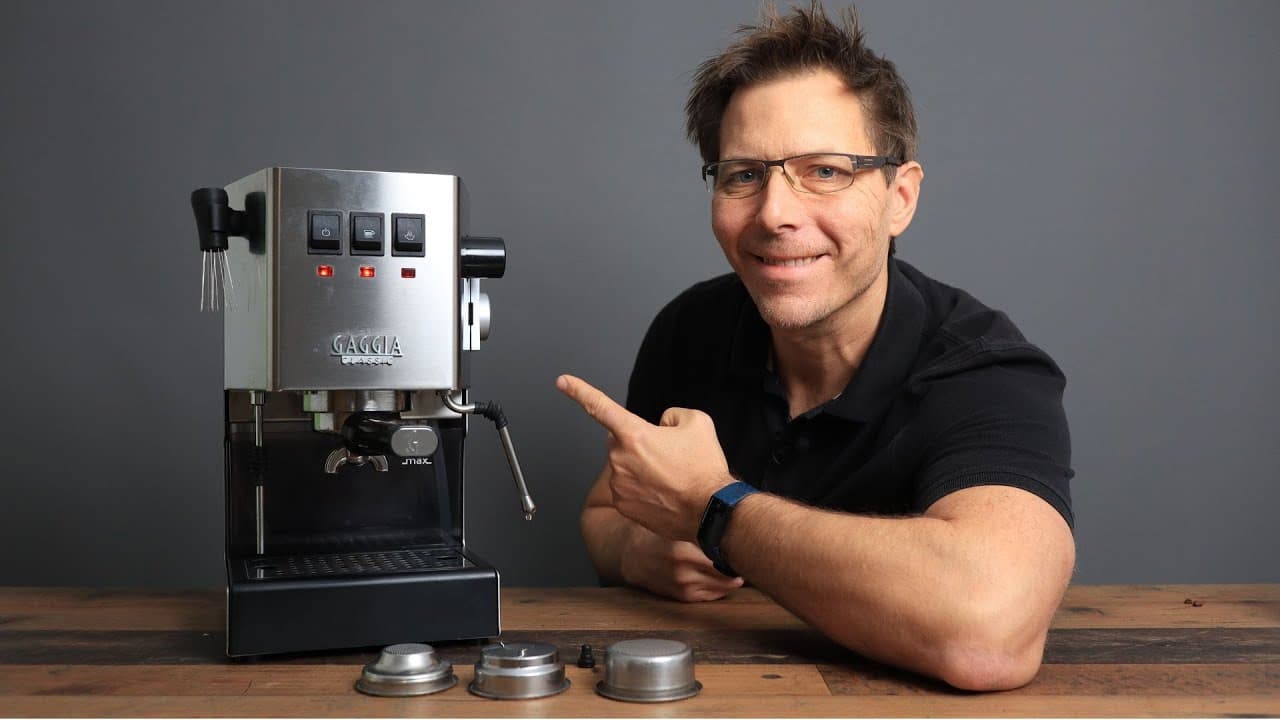
After extensive testing, the Breville Bambino Plus emerges as our top pick for its exceptional balance of espresso quality, fast heat-up time, and user-friendly design. For traditionalists who want hands-on control, the Gaggia Classic Pro offers unmatched upgradeability and authentic Italian craftsmanship. If you prefer a fully automatic experience with minimal effort, the Philips 3200 LatteGo delivers one-touch convenience.
Pros
- CPRO
Ready in 3 seconds.
The thermojet heating system reaches extraction temperature within 3 seconds, eliminating the warm-up wait time associated with traditional espresso machines.
- LPRO
Automated milk texturing.
The automatic steam wand produces consistent microfoam suitable for latte art without requiring manual steaming skills, ideal for beginners learning milk texturing.
- NPRO
Space-efficient footprint.
The compact design fits in small kitchens where full-sized espresso machines would be impractical, making espresso accessible for limited counter space.
Cons
- PCON
Lightweight plastic body.
At this price point, the plastic construction may fall short of expectations compared to traditional machines with more metal components. The body feels lightweight relative to conventional espresso machines.
Pros
- LPRO
Cafe-quality shots at home.
The brass boiler and commercial-style group head produce espresso quality comparable to specialty coffee shops.
- CPRO
Extensive upgrade potential.
The machine accepts common modifications like PID controllers and upgraded steam wands, making it an excellent platform for enthusiast customization and upgrades.
- NPRO
Built to last decades.
This thing feels bulletproof. Heavy, reliable, and users know it will be around for years.
Cons
- PCON
Takes time to master.
Not beginner friendly at all. Took users weeks to dial in properly. Be ready to waste some beans.
- CCON
10 minutes to warm up.
The 10-minute warm-up period requires advance planning, unlike thermoblock machines that heat up instantly for immediate use.
Pros
- NPRO
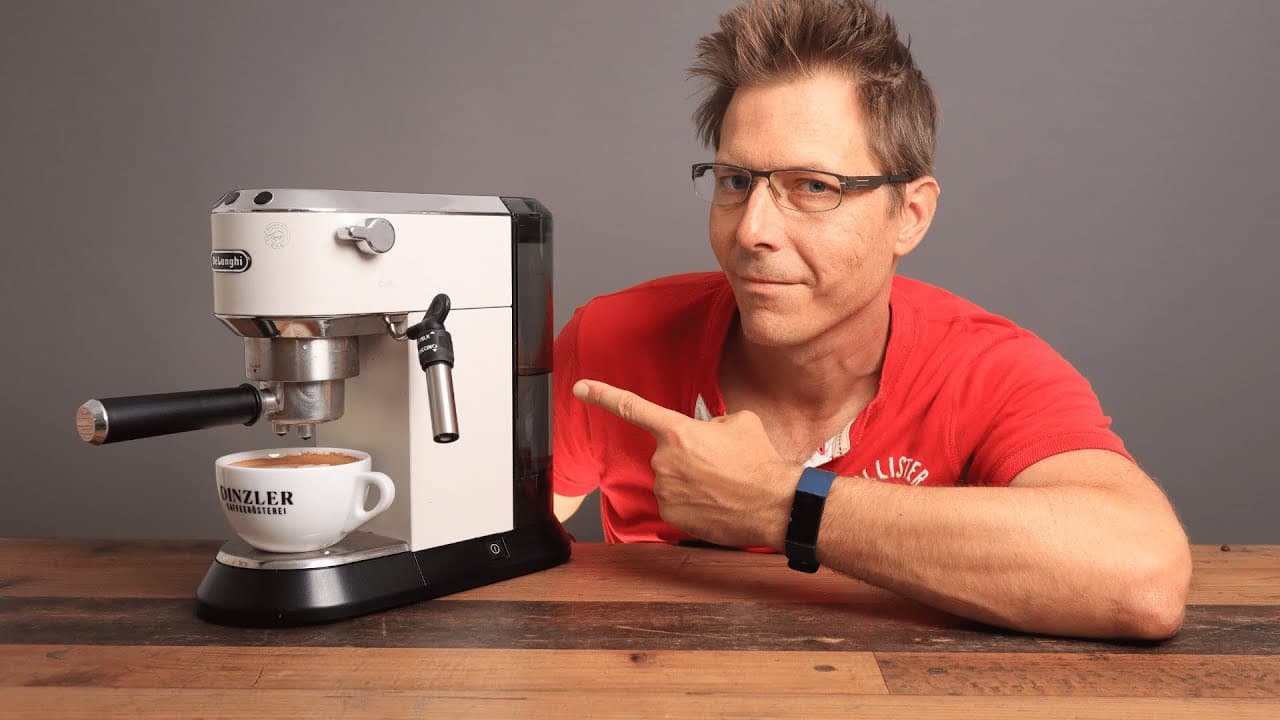
Only 6 inches wide.
Perfect for apartment living. Fits in spaces where no other espresso machine would work.
- LPRO
Best budget option.
At around 300 dollars, users get real espresso with a proper portafilter. Hard to beat for the money.
- CPRO
Ready in under a minute.
The thermoblock heats up fast. Great for those rushed morning routines.
Cons
- PCON
Shot quality ceiling.
The stock baskets are pressurized which limits crema quality. Needs unpressurized basket upgrade for better results.
- NCON
Frequent refills.
The tank is small for the slim design. If users drink a lot of coffee, users will be refilling often.
Frequently Asked Questions
Semi-automatic machines like the Breville Bambino Plus and Gaggia Classic Pro require you to grind beans separately, dose, tamp, and control the extraction. Super-automatic machines like the Philips 3200 LatteGo handle everything at the push of a button, including grinding, dosing, and brewing. Semi-automatics offer more control and better shot quality, while super-automatics prioritize convenience.
For semi-automatic machines like the Breville Bambino Plus, Gaggia Classic Pro, DeLonghi Dedica, Breville Infuser, and Rancilio Silvia, yes - you will need a quality burr grinder. A good espresso grinder is essential for proper extraction. Budget around 150-300 dollars for a capable grinder. The Philips 3200 LatteGo has a built-in ceramic burr grinder, so no separate grinder is required.
For beginners who want real espresso without a steep learning curve, the Breville Bambino Plus is the best choice. Its automatic milk texturing and 3-second heat-up make it incredibly user-friendly. If you prefer fully automatic convenience, the Philips 3200 LatteGo is even easier - just press a button. The Gaggia Classic Pro and Rancilio Silvia have steeper learning curves and are better suited for those willing to invest time in mastering the craft.
A PID (Proportional-Integral-Derivative) controller maintains precise and stable brew temperature, which is crucial for consistent espresso extraction. The Breville Infuser includes a PID as standard. For machines without PID like the Gaggia Classic Pro and Rancilio Silvia, you can add one as an aftermarket upgrade for around 100-150 dollars. Temperature stability significantly impacts shot quality, especially for light roast coffees.
Yes, all machines in this ranking can make milk-based drinks. The Breville Bambino Plus features automatic milk texturing that creates microfoam at the push of a button - perfect for beginners. The Philips 3200 LatteGo has an automatic milk frothing system that is easy to clean. Traditional machines like the Gaggia Classic Pro, Rancilio Silvia, and Breville Infuser have manual steam wands that require learning proper technique but offer more control for latte art.