What is the best microphone for podcasting?
A comprehensive comparison of the top microphones for podcasting, covering both USB and XLR options. We evaluate sound quality, ease of use, build quality, and value to help you find the perfect microphone for your podcasting setup.
After extensive testing and analysis, the Shure SM7B stands out as the top choice for serious podcasters seeking broadcast-quality audio. However, for those looking for USB convenience without sacrificing quality, the Elgato Wave:3 offers an excellent balance of performance and ease of use. The Samson Q2U provides the best value for beginners with its dual USB/XLR connectivity.
Pros
- CPRO
Industry-standard broadcast audio
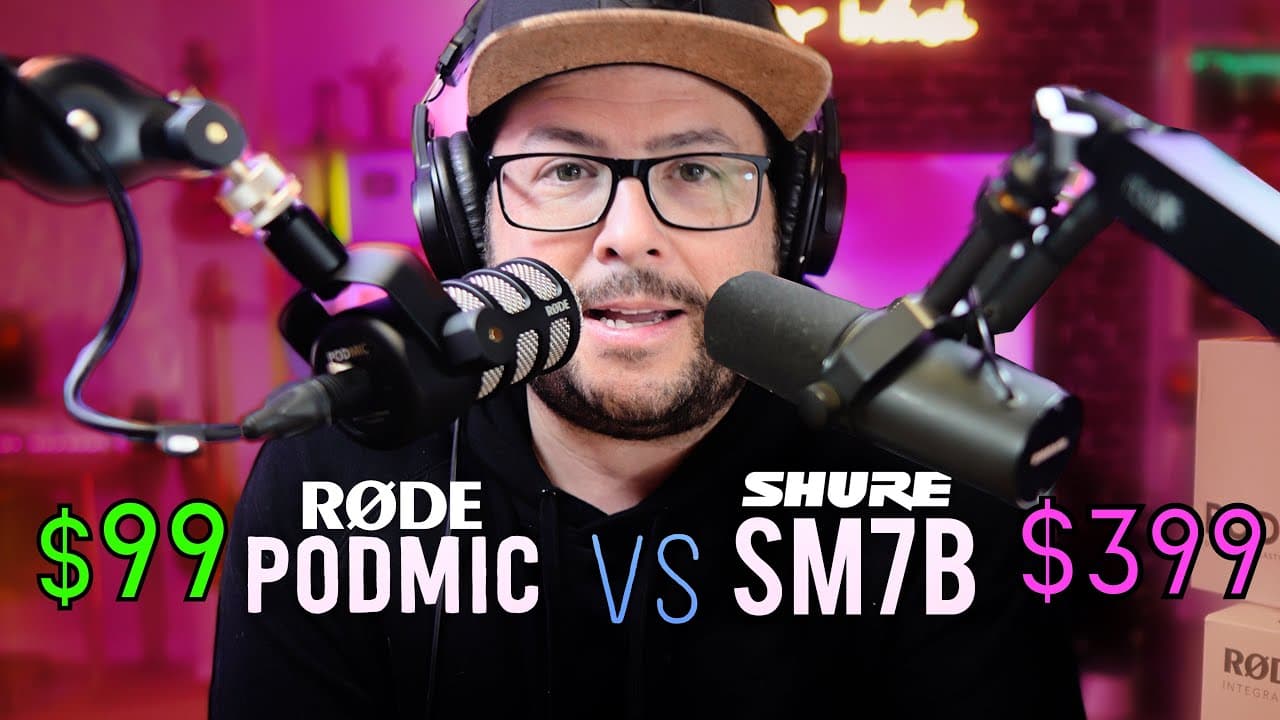
The SM7B delivers exceptionally warm, smooth, and natural sound quality that has made it the industry standard for professional podcasting and broadcast applications.
- LPRO
Superior background noise rejection
The cardioid polar pattern provides excellent rejection of off-axis sounds, making it ideal for recording in less-than-perfect acoustic environments.
- NPRO
Built to last decades
The all-metal construction and robust internal components ensure this microphone will withstand years of professional use without degradation in performance.
Cons
- PCON
Needs audio interface and preamp
The XLR connection requires an audio interface or mixer, and the low output level often necessitates a cloudlifter or high-gain preamp for optimal performance.
- SCON
Significant investment required
At approximately $400, plus the cost of additional required equipment, the total investment can exceed $600, making it unsuitable for budget-conscious beginners.
Pros
- MPRO
Professional sound at accessible price
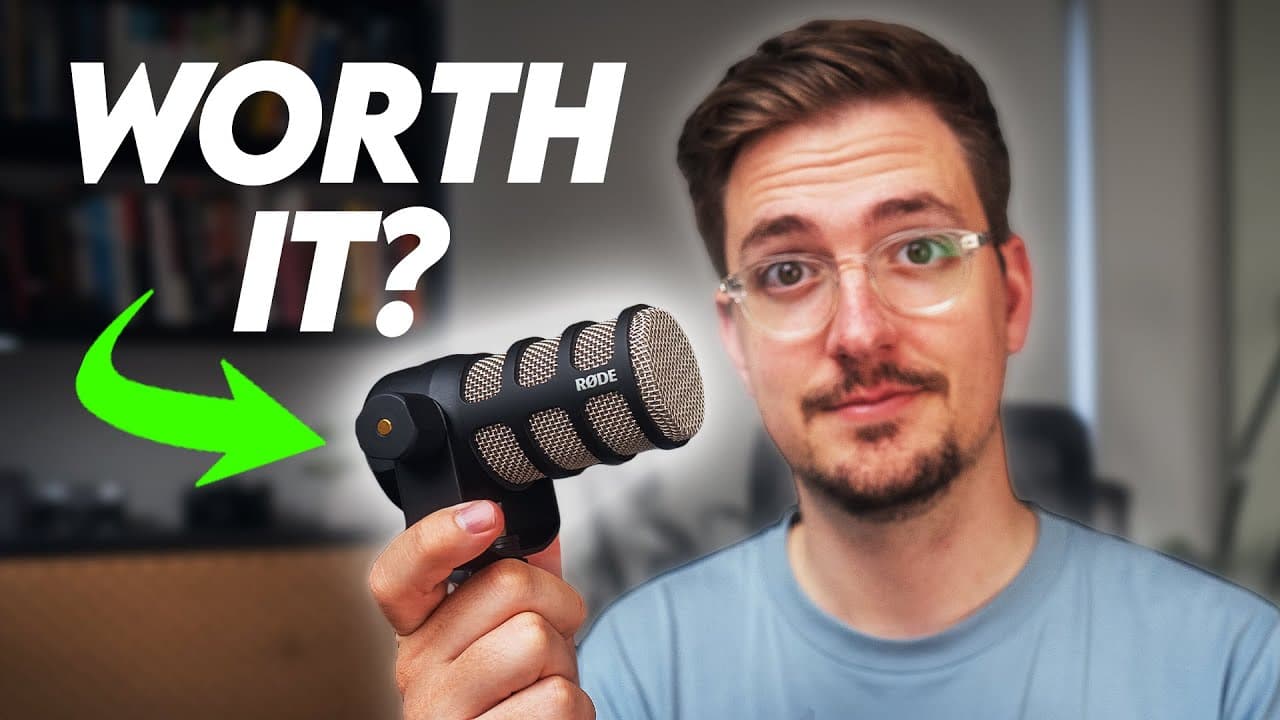
The Rode PodMic delivers broadcast-ready audio quality at a fraction of the price of comparable professional microphones, making it an outstanding value proposition.
- EPRO
Integrated mounting solution
The integrated swing mount design allows for easy positioning and saves the cost of purchasing a separate shock mount, simplifying the setup process.
- DPRO
All-metal build quality
The all-metal construction provides excellent durability and resistance to handling noise, ensuring reliable performance over extended use.
Cons
- CCON
Requires audio interface
The XLR-only connectivity means users need an audio interface or mixer, which adds to the total cost and complexity of the setup.
- LCON
Must be positioned close to mouth
The microphone requires close positioning to the sound source for optimal audio quality, which may not suit all recording setups or preferences.
Pros
- NPRO
Seamless USB connectivity
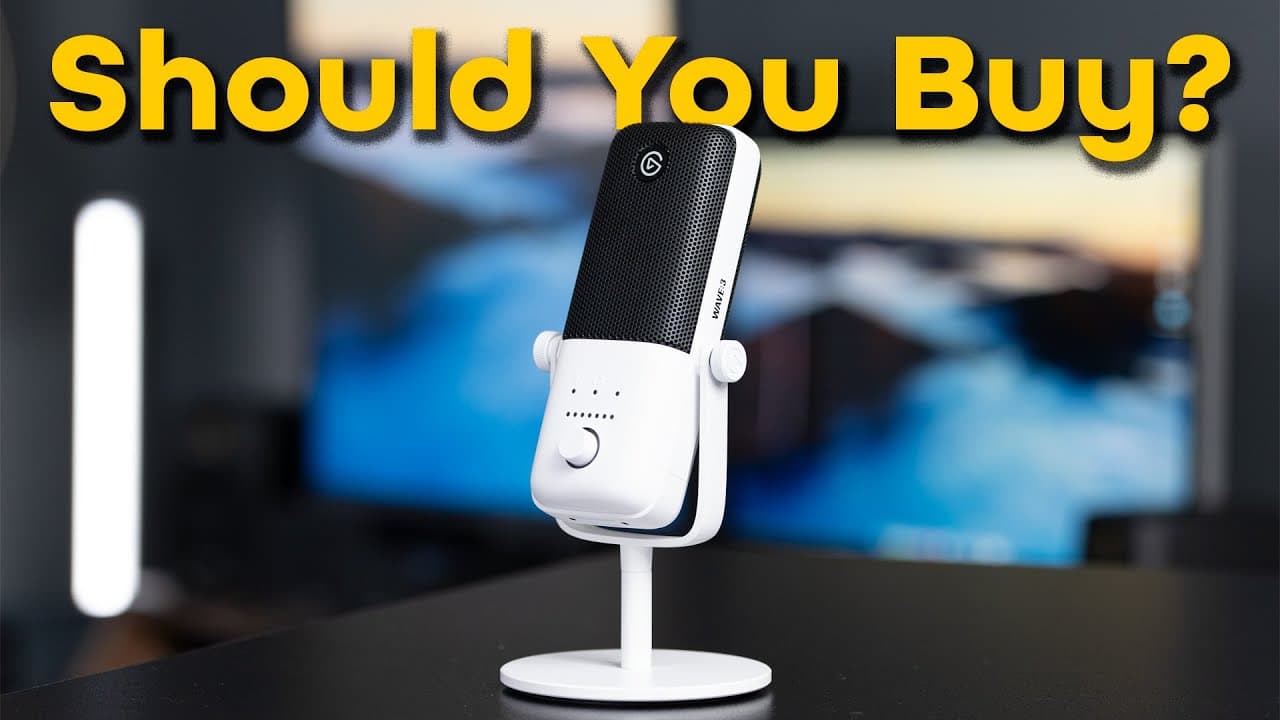
The USB connection enables immediate recording without the need for additional audio interfaces, preamps, or complex setup procedures.
- PPRO
Powerful Wave Link software
The included Wave Link software provides professional-level audio mixing, routing, and effects processing with an intuitive interface designed for content creators.
- SPRO
Built-in distortion prevention
The proprietary Clipguard technology automatically prevents audio distortion by adjusting levels when the input gets too loud, ensuring clean recordings.
Cons
- MCON
Picks up ambient sounds
As a condenser microphone, it is more sensitive to environmental noise compared to dynamic alternatives, requiring a quieter recording environment.
- ECON
Less durable than metal alternatives
The primarily plastic construction, while keeping the weight manageable, may not withstand heavy use as well as all-metal microphones.
Frequently Asked Questions
USB microphones connect directly to your computer and include a built-in audio interface, making them plug-and-play solutions ideal for beginners. XLR microphones require a separate audio interface or mixer, which adds cost and complexity but typically offers better audio quality, more gain control, and greater flexibility for professional setups. Many podcasters start with USB and upgrade to XLR as their needs grow.
Dynamic microphones are generally better for untreated rooms as they pick up less background noise and room reflections. They are more durable and forgiving of imperfect recording environments. Condenser microphones capture more detail and nuance in the voice but are more sensitive to ambient noise and typically require a quieter, acoustically treated space. For most home podcasters, dynamic microphones are the safer choice.
For USB microphones, you typically only need the microphone itself, a microphone arm or stand, and potentially a pop filter to reduce plosive sounds. XLR microphones require an audio interface or mixer, an XLR cable, and may benefit from a cloudlifter or inline preamp for low-output dynamic mics like the SM7B. Both setups benefit from headphones for monitoring and a shock mount to reduce vibration noise.
Quality podcasting microphones range from $70 to $400+. Budget options like the Samson Q2U ($70) provide good audio quality for beginners. Mid-range options like the Rode PodMic ($99) or Elgato Wave:3 ($149) offer excellent value with professional-quality sound. Premium options like the Shure SM7B ($399) deliver broadcast-quality audio and are the choice of professional podcasters. The best choice depends on your budget, experience level, and long-term podcasting goals.
For solo podcasting, a cardioid polar pattern is ideal as it captures sound primarily from the front while rejecting noise from the sides and rear. This helps minimize background noise and room reflections. If you record interviews with multiple people around one microphone, an omnidirectional or bidirectional pattern might be useful, though separate cardioid microphones for each person typically produce better results. Most podcasting microphones use cardioid patterns specifically designed for voice recording.