What is the best electric scooter for adults?
A comprehensive comparison of the top electric scooters for adult commuters and recreational riders in 2024. We evaluate range, speed, build quality, portability, and overall value to help you find the perfect electric scooter for your needs.
After extensive testing and analysis, the Segway Ninebot Max G30P emerges as the top choice for most adult riders, offering an exceptional 40-mile range, robust build quality, and excellent value. For urban commuters seeking speed and premium features, the Apollo City Pro delivers outstanding performance. Budget-conscious riders will find the Gotrax G4 provides solid performance at an accessible price point.
Pros
- CPRO
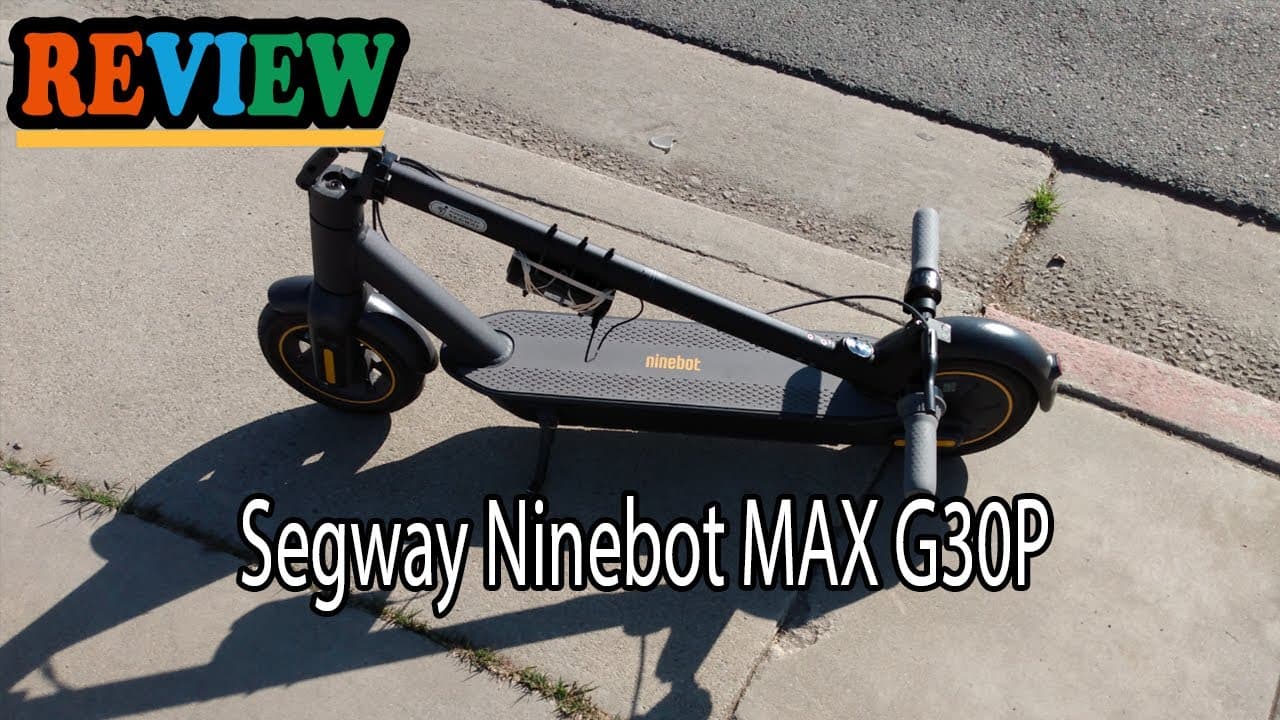
Industry-leading 40-mile range
The G30P offers one of the longest ranges available in its class, capable of covering up to 40.4 miles on a single charge under optimal conditions.
- LPRO
Built for daily commuting
Features a sturdy aluminum frame, IPX5 water resistance rating, and 10-inch pneumatic tires that handle various road conditions reliably.
- NPRO
Puncture-resistant pneumatic tires
The tubeless pneumatic tires with self-sealing technology minimize flat tire issues common with electric scooters.
Cons
- PCON
41 lbs may be challenging for some users
At 41.2 pounds, the scooter can be difficult to carry up stairs or load into vehicles compared to lighter alternatives.
- SCON
18.6 mph maximum speed
While adequate for most commutes, the top speed is lower than some competitors in this price range.
Pros
- MPRO
25 mph top speed with dual motors
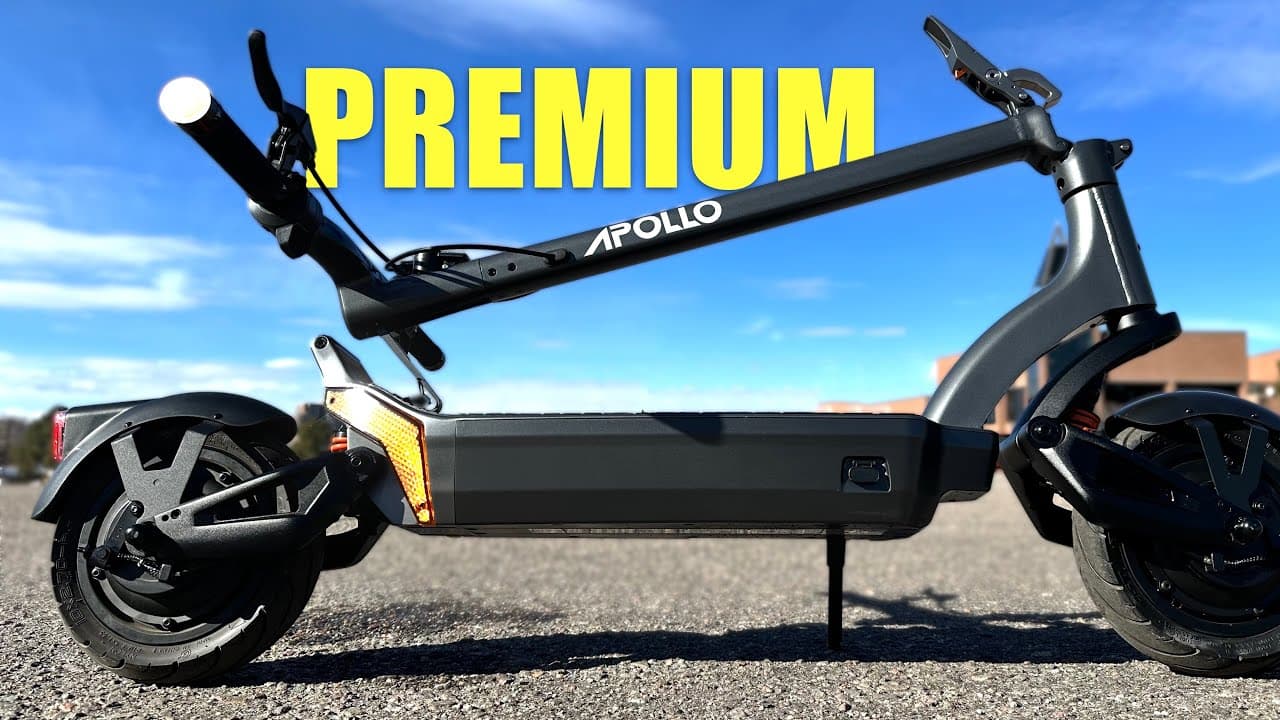
The Apollo City Pro delivers impressive acceleration and maintains speed on inclines thanks to its powerful 500W motor.
- EPRO
Triple suspension for smooth rides
Front spring and dual rear suspension absorbs road imperfections effectively, providing a comfortable riding experience.
- DPRO
Built-in turn signal indicators
Integrated turn signals improve safety when riding in traffic and communicating intentions to other road users.
Cons
- CCON
Higher cost at $1,299
The price point places it in the premium category, which may exceed the budget for casual riders.
- LCON
44 lbs total weight
The weight can make the scooter challenging to carry for extended distances or up multiple flights of stairs.
Pros
- NPRO
Strong performance at $499
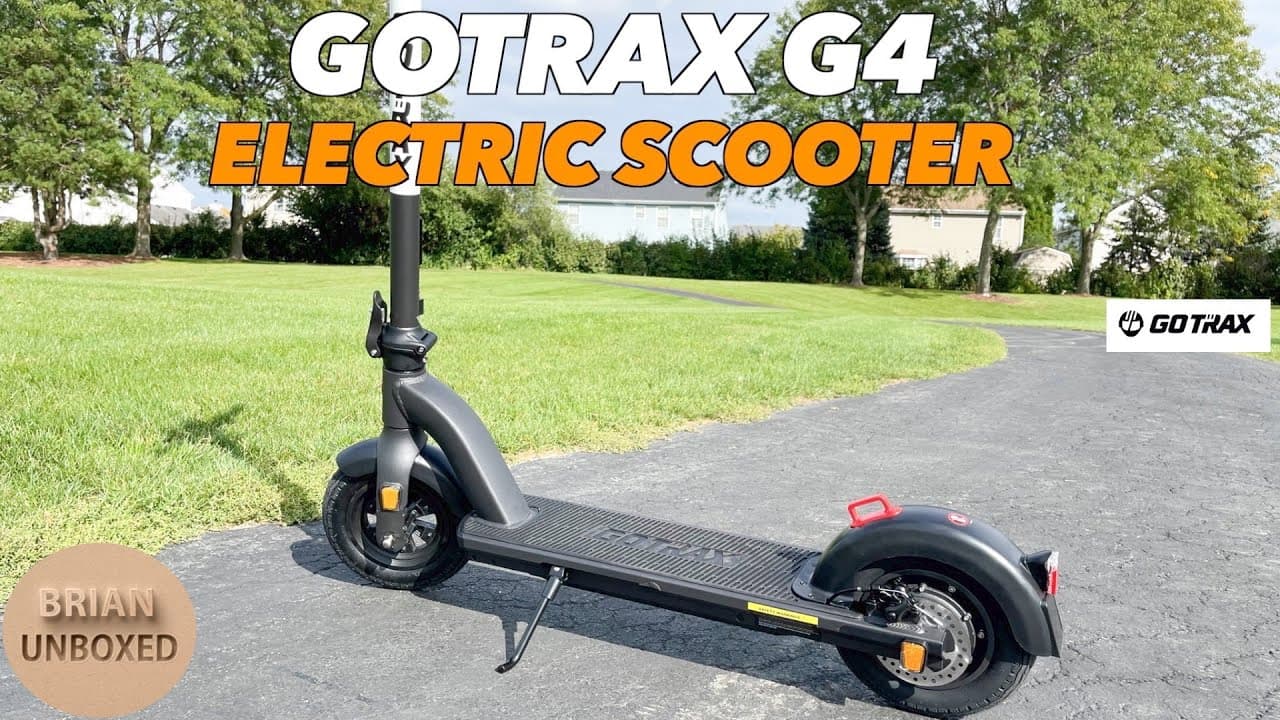
Offers a compelling balance of features, range, and build quality at an accessible price point for entry-level riders.
- PPRO
Large pneumatic tires for stability
The 10-inch air-filled tires provide better shock absorption and handling compared to smaller solid tire alternatives.
- SPRO
Competitive top speed
Reaches 20 mph, which is sufficient for keeping up with urban traffic and efficient commuting.
Cons
- MCON
Limited smartphone integration
The companion app provides basic functionality but lacks the advanced features found in premium scooter applications.
- ECON
25-mile range under ideal conditions
Real-world range may be closer to 18-20 miles depending on rider weight, terrain, and speed settings.
Frequently Asked Questions
Most quality electric scooters for adults offer between 15-40 miles of range per charge. For daily commuting, consider a scooter with at least 20-25 miles of range to account for battery degradation over time, varying terrain, and rider weight. The Segway Ninebot Max G30P offers the best range in our comparison at 40+ miles, while budget options like the Gotrax G4 provide around 25 miles. Keep in mind that real-world range is typically 60-80% of manufacturer claims depending on riding conditions.
Electric scooter regulations vary significantly by location. In most US cities, e-scooters are legal on roads and bike lanes but may be prohibited on sidewalks. Speed limits typically range from 15-25 mph depending on the jurisdiction. Some areas require riders to be 16 or 18 years old and may mandate helmets. Before purchasing, check your local laws regarding electric scooter use, as regulations can differ even between neighboring cities. Many areas are still updating their policies as e-scooters become more popular.
Quality lithium-ion batteries in electric scooters typically last 2-4 years or 300-500 full charge cycles before significant capacity degradation occurs. With proper care, you can expect to retain 70-80% of original capacity after 500 cycles. To maximize battery life: avoid fully depleting the battery, store at 40-60% charge if not using for extended periods, keep the scooter in moderate temperatures, and use the manufacturer-provided charger. Replacement batteries typically cost $150-400 depending on the scooter model.
Essential safety features include: dual braking systems (electronic regenerative brakes plus mechanical disc or drum brakes), bright front and rear lights for visibility, reflectors, a bell or horn, and solid or self-sealing tires to reduce flat risks. Look for scooters with responsive braking that can stop quickly from top speed. IPX4 or higher water resistance ratings protect the electronics in light rain. Some premium scooters like the Apollo City Pro include turn signals. Always wear a helmet regardless of local laws, and consider additional protective gear like wrist guards and knee pads.
For reliable daily commuting, plan to spend $400-800 for a quality electric scooter. Budget models under $400 may lack durability, range, or safety features needed for regular use. The sweet spot for most commuters is $500-700, where you get solid range (20-30 miles), adequate speed (18-20 mph), pneumatic tires for comfort, and reliable construction. Premium options $800-1,500 offer enhanced features like suspension, longer range, higher speeds, and better build quality. The Gotrax G4 ($499) and Segway Ninebot Max G30P ($799) offer excellent value at different price points.