What is the best portable power station?
A comprehensive comparison of the top portable power stations for camping, emergency backup, and off-grid power needs. We evaluate battery capacity, charging speed, portability, and value to help you find the perfect portable power solution for your needs.
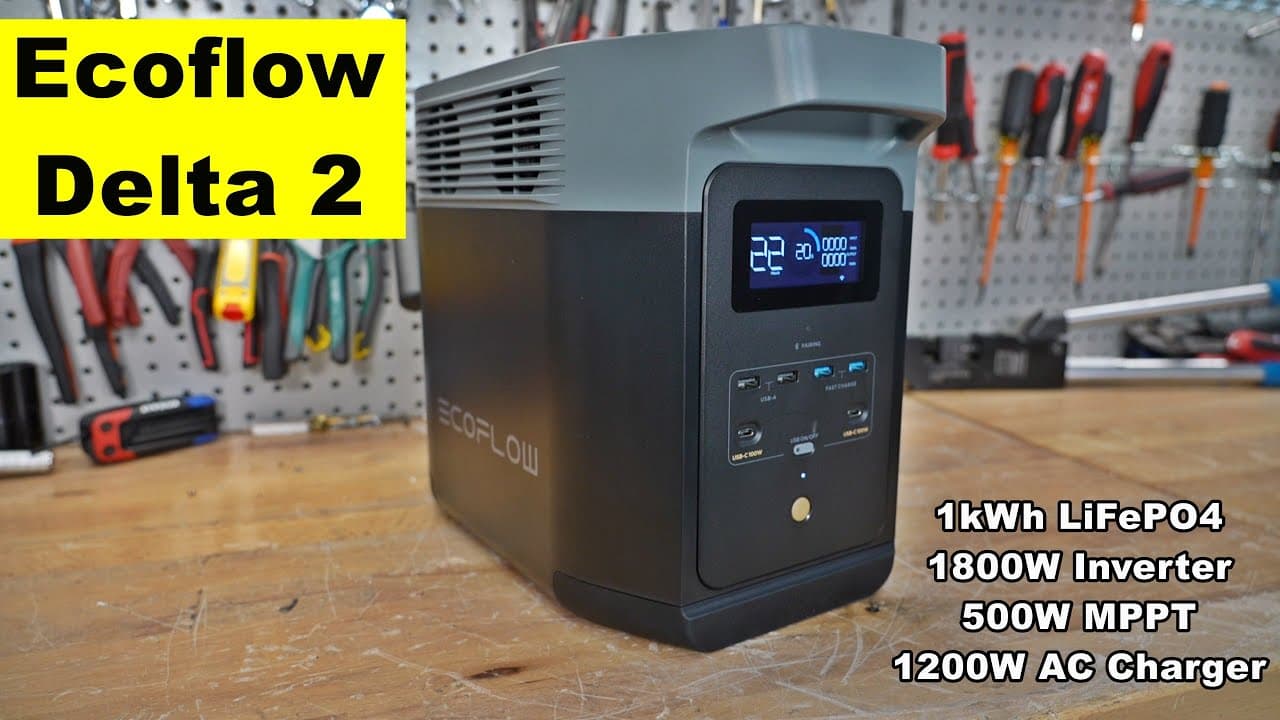
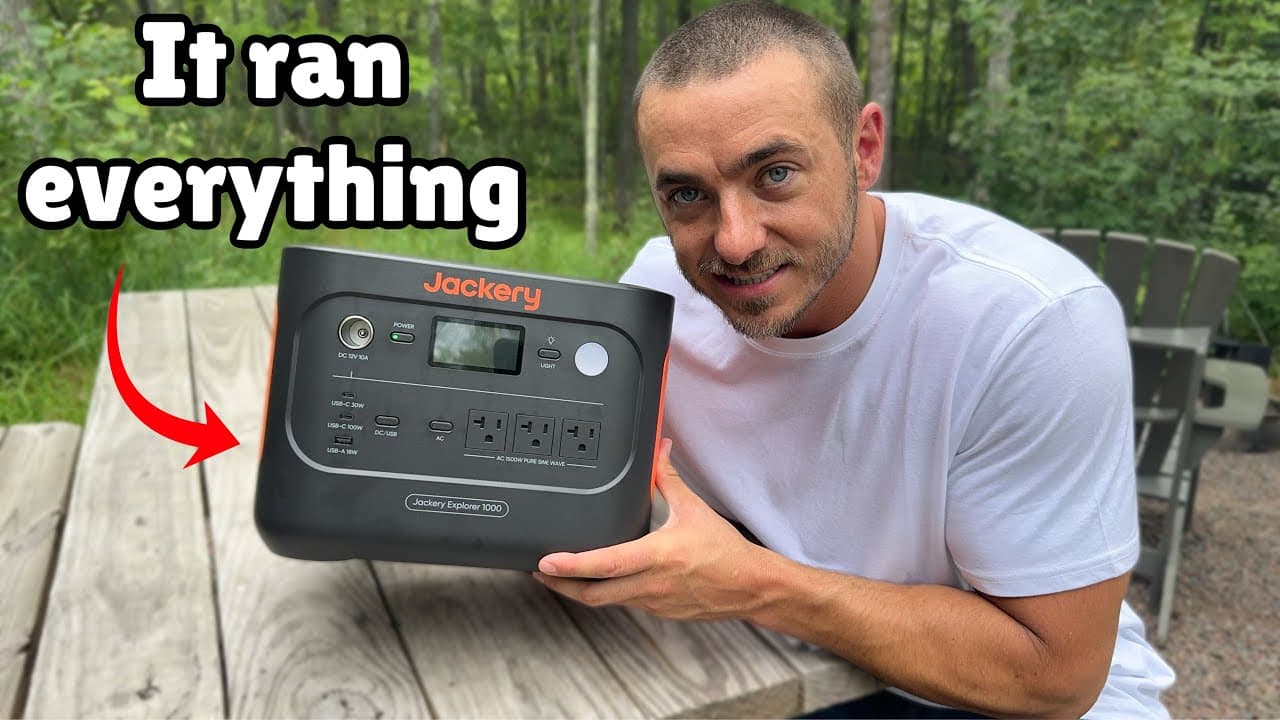
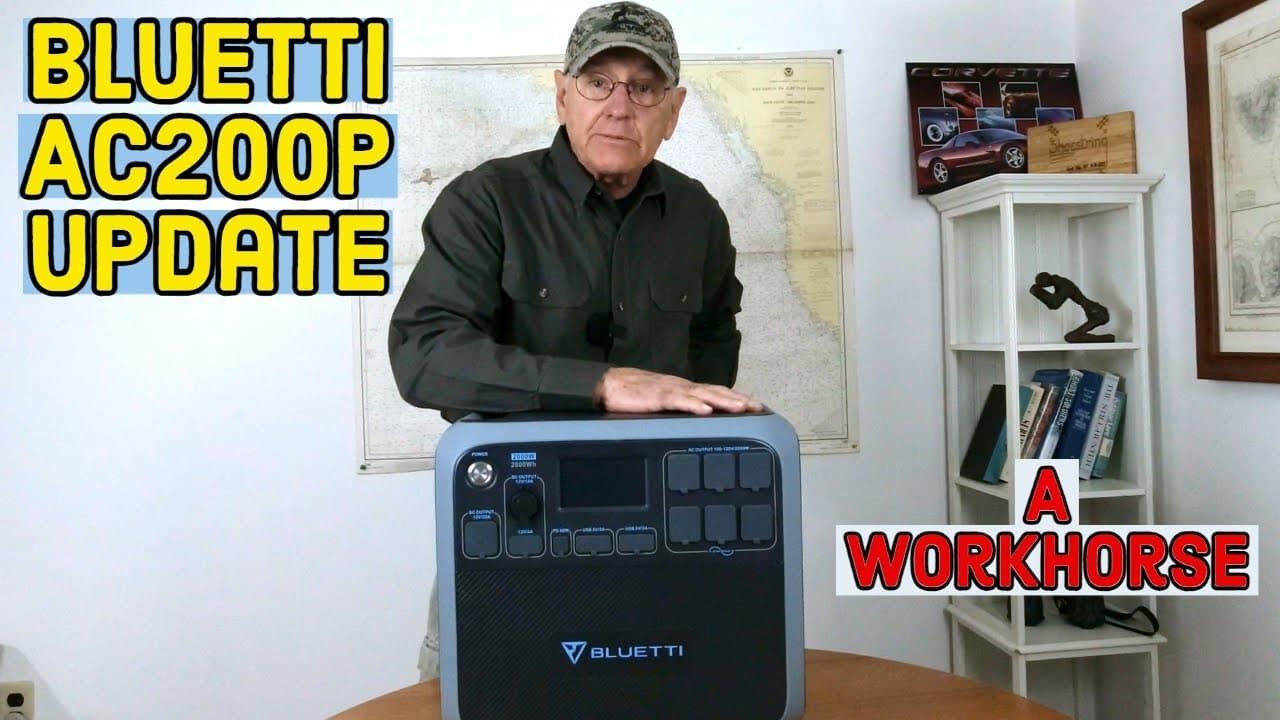
After extensive testing and research, the EcoFlow Delta 2 emerges as our top pick for its exceptional balance of capacity, charging speed, and versatility. The Jackery Explorer 1000 offers excellent reliability for outdoor enthusiasts, while the Bluetti AC200P provides the highest capacity for those needing extended off-grid power. Budget-conscious buyers should consider the VTOMAN Jump 1500, which delivers strong performance at a competitive price.
Pros
- CPRO
Industry-leading charging speed
Charges from 0 to 80% in just 50 minutes using X-Stream technology, significantly faster than competitors in this price range.
- LPRO
15 output ports for multiple devices
Features 15 output ports including AC outlets, USB-A, USB-C, and car outlet, allowing simultaneous charging of various devices.
- NPRO
Modular battery expansion system
Supports up to 3kWh capacity expansion with additional batteries, making it future-proof for growing power needs.
- PPRO
Comprehensive mobile app integration
The EcoFlow app provides real-time monitoring, remote control, and firmware updates for enhanced user experience.
Cons
- SCON
Noticeable cooling fan noise
The cooling fan operates loudly during fast charging and high output, which may be disruptive in quiet environments.
Pros
- MPRO
Lightweight and compact design
At 22 lbs, the Jackery Explorer 1000 offers the best weight-to-capacity ratio in its class, making it ideal for camping trips.
- EPRO
Established brand with solid track record
Jackery has built a strong reputation for quality and customer support, with thousands of positive reviews from outdoor enthusiasts.
- DPRO
Near-silent during use
The unit operates quietly during normal use, making it suitable for camping and indoor use without disturbing sleep.
- CPRO
Efficient solar panel integration
Compatible with Jackery SolarSaga panels for renewable off-grid charging, with optimized MPPT controller for efficiency.
Cons
- LCON
Extended AC charging time
Wall charging takes approximately 5.5 hours from empty to full, slower than newer competitors with fast-charging technology.
Pros
- NPRO
2000Wh for extended off-grid use
The largest capacity in this comparison at 2000Wh, capable of powering appliances for days without recharging.
- PPRO
2000W continuous AC output
Delivers 2000W continuous power with 4800W surge capacity, capable of running most household appliances including power tools.
- SPRO
Long-lasting battery chemistry
Uses LiFePO4 batteries rated for 3500+ cycles, providing exceptional longevity and safety compared to lithium-ion alternatives.
Cons
- MCON
Weighs over 60 lbs
At 60.6 lbs, the unit requires two people to carry safely and is not practical for backpacking or frequent transportation.
- ECON
Premium pricing
The $1499 price tag places it at the higher end of the market, though the capacity and features justify the investment for heavy users.
Frequently Asked Questions
The size depends on your intended use. For basic camping (charging phones, running lights, small fans), a 500-1000Wh unit suffices. For powering appliances like mini-fridges, CPAP machines, or power tools, look for 1000-2000Wh capacity. For extended off-grid living or emergency home backup, consider 2000Wh+ models with expansion options.
Modern portable power stations use lithium-ion or LiFePO4 batteries rated for 500-3500+ charge cycles. A quality unit used regularly should last 5-10 years. LiFePO4 models like the Bluetti AC200P typically offer longer lifespans (3500+ cycles) compared to standard lithium-ion units (500-800 cycles).
Yes, most portable power stations support solar charging through compatible solar panels. Charging times vary based on panel wattage and sunlight conditions. For example, a 200W solar panel can typically charge a 1000Wh power station in 5-8 hours of direct sunlight. Look for units with MPPT controllers for optimal solar efficiency.
Yes, portable power stations are safe for indoor use as they produce no fumes or emissions unlike gas generators. They use pure sine wave inverters that are safe for sensitive electronics. However, ensure proper ventilation during charging as some heat is generated, and never use them near water or in extremely humid conditions.
Watts (W) measure power output - how much power the station can deliver at once. Watt-hours (Wh) measure capacity - how much total energy the station stores. For example, a 1000Wh station running a 100W device would last approximately 10 hours (1000Wh / 100W = 10h), accounting for some efficiency loss.