What are the best running shoes for flat feet?
Finding the right running shoes for flat feet is crucial for comfort and injury prevention. Flat-footed runners need shoes with excellent stability, arch support, and motion control to compensate for overpronation. Our expert analysis evaluates the top running shoes designed specifically for flat feet, considering factors like cushioning technology, structural support, and long-distance comfort.
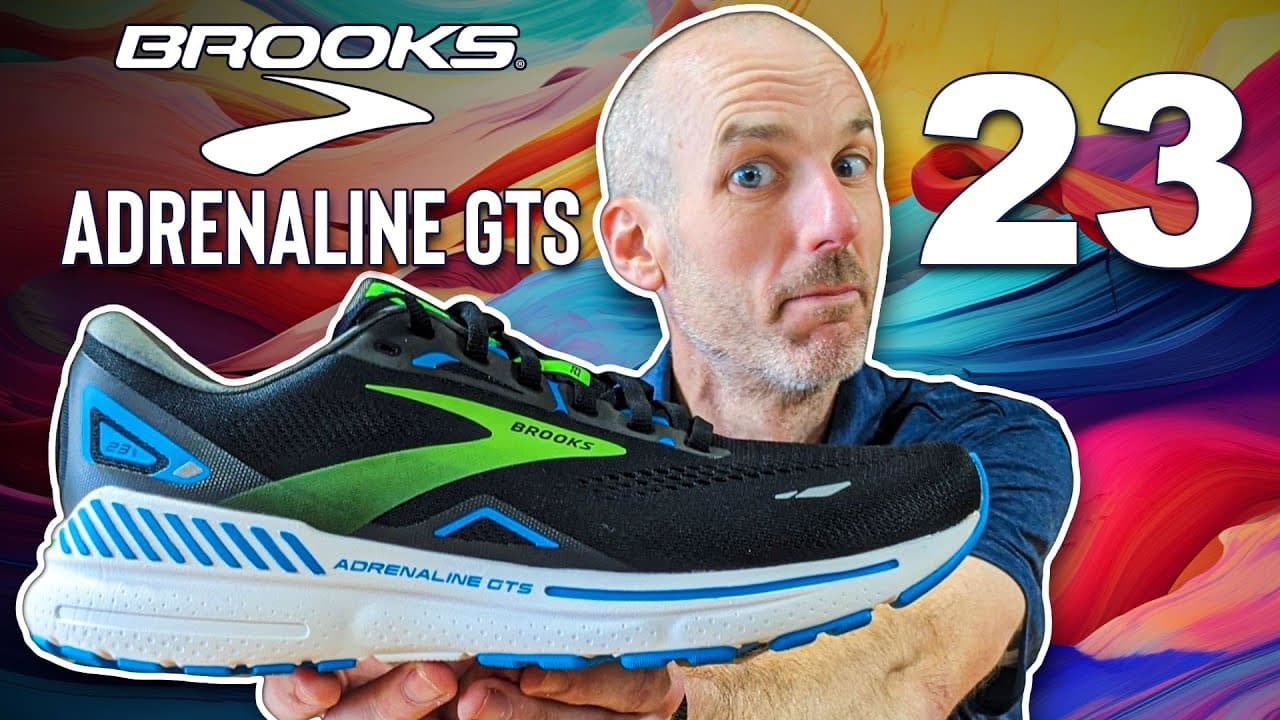
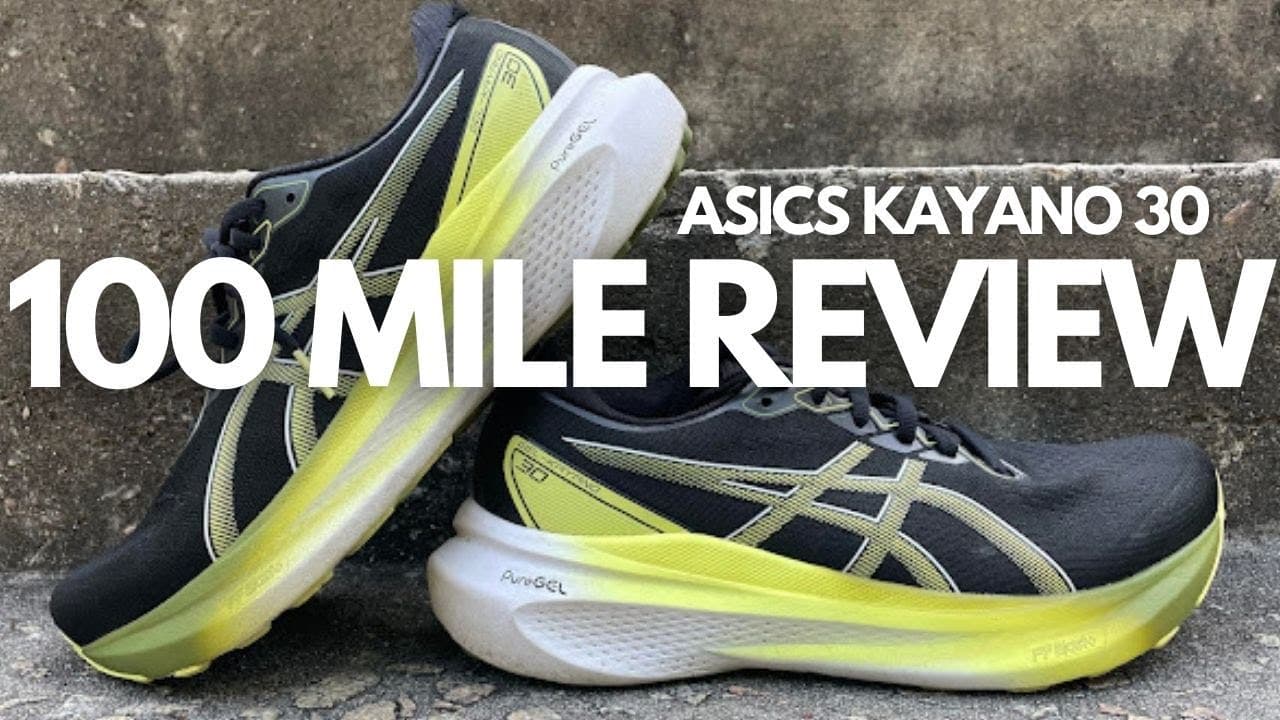
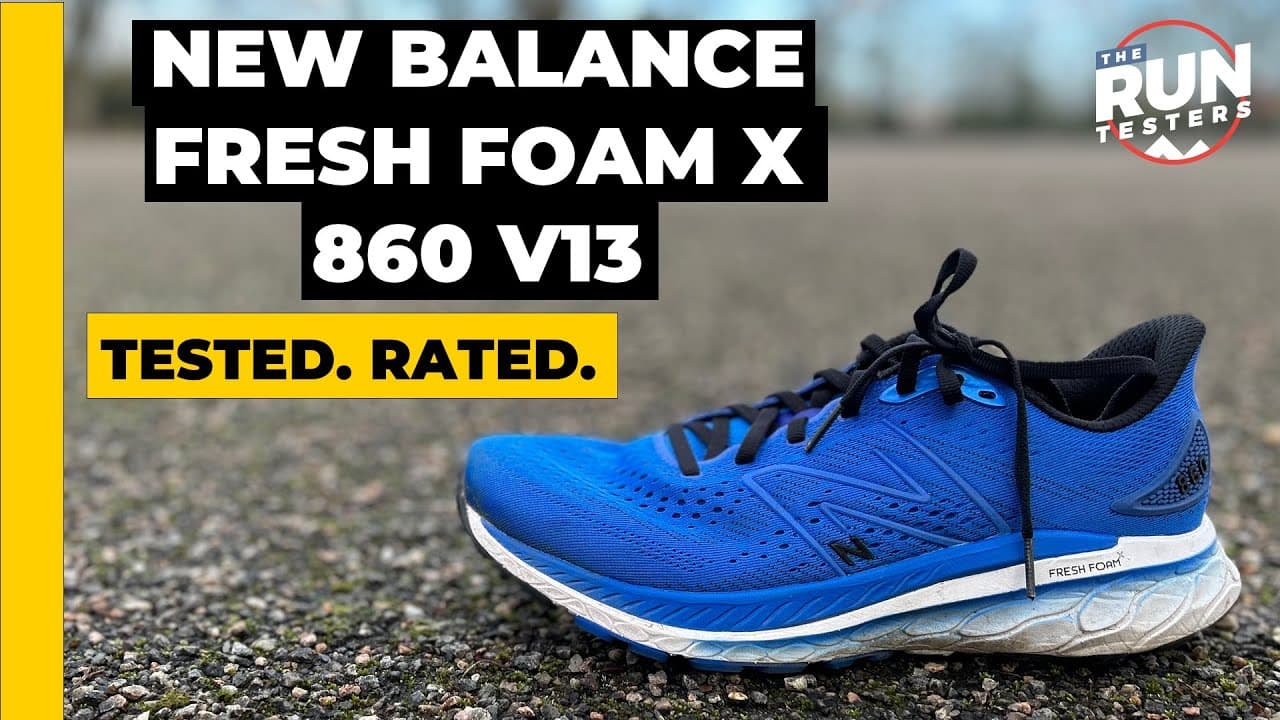
After extensive testing, the Brooks Adrenaline GTS 23 takes the top spot for flat-footed runners, offering exceptional stability with GuideRails technology and plush DNA LOFT cushioning. The ASICS Gel-Kayano 30 is a close second with its superior cushioning system, while the New Balance Fresh Foam 860v13 offers the best value for those seeking reliable arch support without breaking the bank.
Pros
- CPRO
Fixed the running form issues.
The physical therapist recommended these for the flat feet and overpronation. After two weeks, the chronic knee pain was gone. The arch support hits exactly the right spot and the cushioning absorbs impact beautifully.
- LPRO
Zero break-in period.
No break-in period required. The DNA LOFT cushioning provides immediate comfort with a balance of softness and support, preventing hotspots during extended runs.
- CPRO
Excellent stability system.
The GuideRails technology addresses overpronation by maintaining knee alignment without feeling restrictive. Users with flat feet report significant reduction in shin splints after switching to these shoes.
- NPRO
Reliable everyday trainer.
Designed for runners averaging 40+ miles per week, these shoes provide consistent support for both easy recovery runs and tempo efforts. The wide toe box accommodates flat, wide feet comfortably.
Cons
- PCON
Not the lightest option.
Those accustomed to lighter neutral shoes will notice the extra weight during faster workouts. Not ideal as a speed shoe, but the weight is justified by the stability features for daily training.
Pros
- LPRO
Outstanding FF BLAST PLUS cushioning.
The FF BLAST PLUS foam delivers exceptional cushioning that reduces leg fatigue during long-distance runs, providing consistent energy return throughout extended use.
- NPRO
Premium materials throughout.
Every component from the knit upper to the cushioning system reflects premium construction. The 4D GUIDANCE SYSTEM adapts to individual gait patterns without being intrusive. The price premium is reflected in material quality.
- CPRO
Built for high-mileage training.
Designed for runners logging 400+ miles, this shoe maintains cushioning responsiveness and consistent support throughout its lifespan. The durability makes it suitable for serious high-mileage training programs.
- LPRO
Excellent moderate overpronation control.
The 4D GUIDANCE SYSTEM differs from traditional medial posts by providing stability when needed without fighting natural foot movement. Ideal for flat-footed runners seeking cushioning with subtle stability support.
Cons
- PCON
Initial stiffness.
The first few runs felt a bit stiff and structured. Once they broke in though, they became incredibly comfortable. be patient during the initial period and they will mold to the feet perfectly.
Pros
- NPRO
Great price point.
Offers notable value in the stability shoe category. The Fresh Foam X provides reliable cushioning and the medial post delivers effective gait correction, competing favorably with more expensive alternatives.
- CPRO
Versatile distance capability.
The shoe performs well across various distances from 5K training to long runs. Consistent cushioning prevents hotspots and discomfort regardless of mileage.
- NPRO
Perfect fit for wide feet.
Finding stability shoes in wide widths is not easy, but New Balance delivers. The 2E width fits the wide, flat feet perfectly. No cramping, no rubbing, pure comfort from start to finish.
- PPRO
Secure heel lockdown.
The biggest issue with other running shoes has been heel slippage. The Ultra Heel design on these completely solves that problem. The foot stays locked in place during every run, no matter the terrain or pace.
Cons
- LCON
Durability concerns.
The outsole shows noticeable wear around 250 miles, which is below average for daily trainers. The cushioning maintains its performance longer than the rubber outsole lasts.
Frequently Asked Questions
Running shoes designed for flat feet typically feature enhanced stability mechanisms, additional arch support, and motion control technology. Unlike neutral shoes, they include features like medial posts, guide rails, or dual-density foams that help correct overpronation, which is common in flat-footed runners. These elements prevent the foot from rolling inward excessively, reducing stress on the ankles, knees, and hips. The midsoles are often firmer on the inner side to provide structural support where flat feet need it most.
The easiest way to check is the wet foot test. Wet your foot and step on a piece of paper or cardboard. If you see a complete footprint with little to no curve on the inside edge, you likely have flat feet. You can also look at your current shoes. If they show excessive wear on the inner edge, this indicates overpronation. Additionally, if you experience shin splints, knee pain, or plantar fasciitis while running, flat feet might be the cause. For a definitive assessment, visit a running specialty store for a gait analysis or consult a podiatrist.
Yes, most stability running shoes work well with custom orthotics. Many runners with flat feet find that combining a stability shoe with custom orthotics provides optimal support. When using orthotics, you may want to remove the stock insole to accommodate the insert and maintain proper fit. Some runners with mild flat feet find that a good stability shoe alone is sufficient, while those with more severe cases benefit from the additional customization of orthotics. Consult with a podiatrist to determine if orthotics would benefit you.
Stability shoes provide moderate support for mild to moderate overpronation, using features like guide rails or small medial posts. They offer a balance between cushioning and support, making them comfortable for daily training. Motion control shoes are designed for severe overpronation, featuring more rigid medial posts, stiffer midsoles, and less flexibility. They provide maximum control but sacrifice some cushioning and natural foot movement. Most flat-footed runners do well with stability shoes unless they have very severe overpronation or are heavier runners who need extra control.
Most stability running shoes should be replaced every 300 to 500 miles, depending on your weight, running surface, and running style. Heavier runners and those who primarily run on pavement may need to replace shoes closer to 300 miles. Signs that your shoes need replacing include worn-out treads, compressed midsoles that no longer bounce back, increased aches or pains after runs, and visible creases or wrinkles in the midsole. Even if the upper looks fine, the cushioning and stability features can degrade over time, reducing their effectiveness in supporting your flat feet.