What is the best dash cam?
A comprehensive comparison of the best dash cams on the market, evaluating video quality, night vision capabilities, GPS accuracy, build quality, and overall value to help you choose the perfect dash cam for your vehicle.
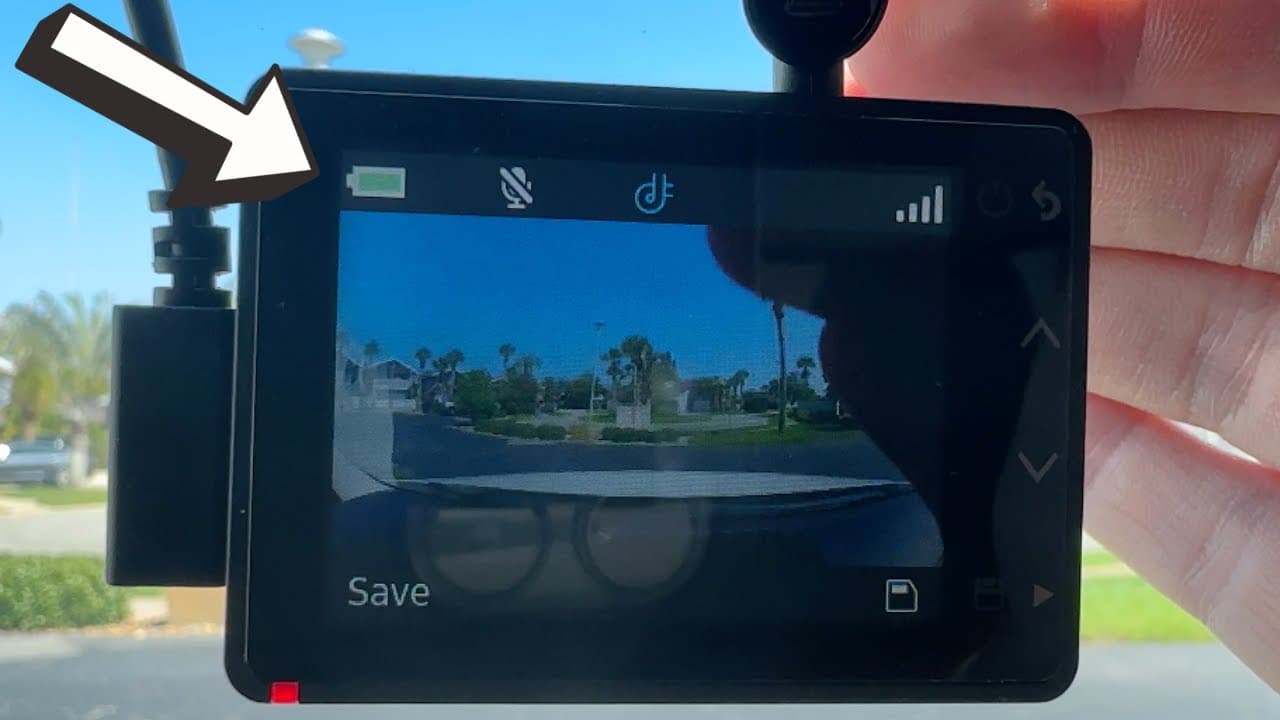
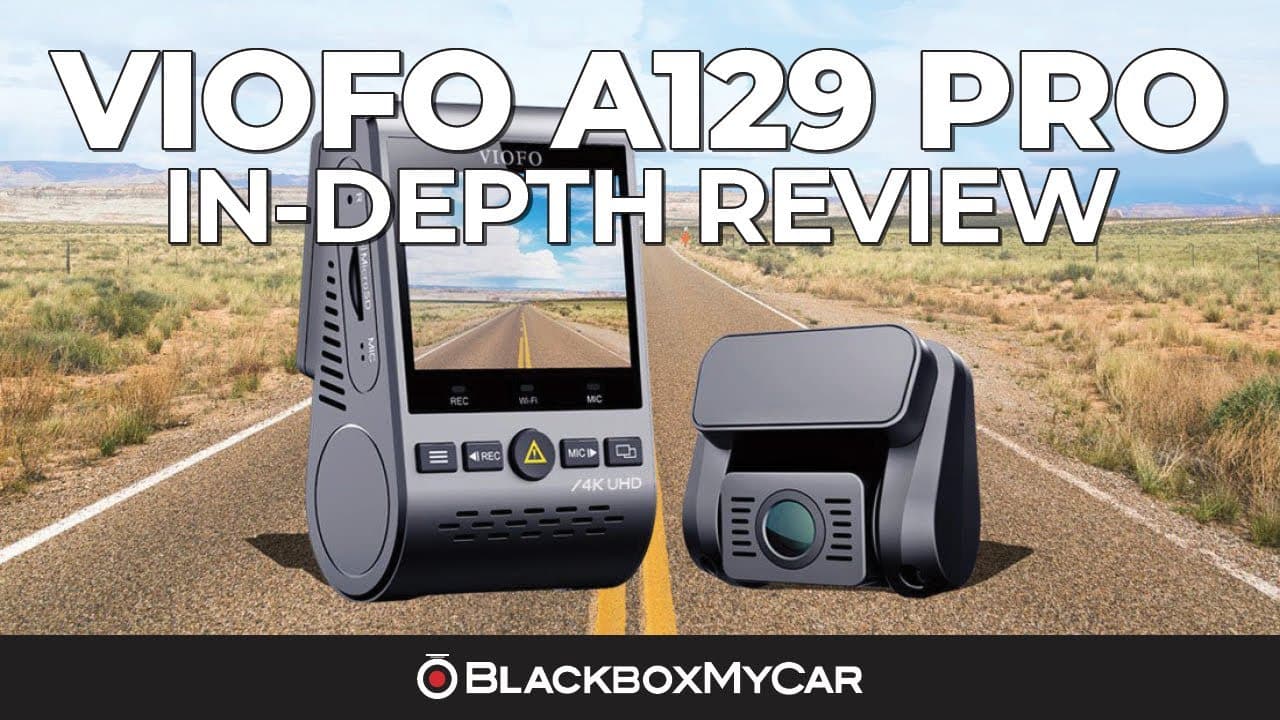
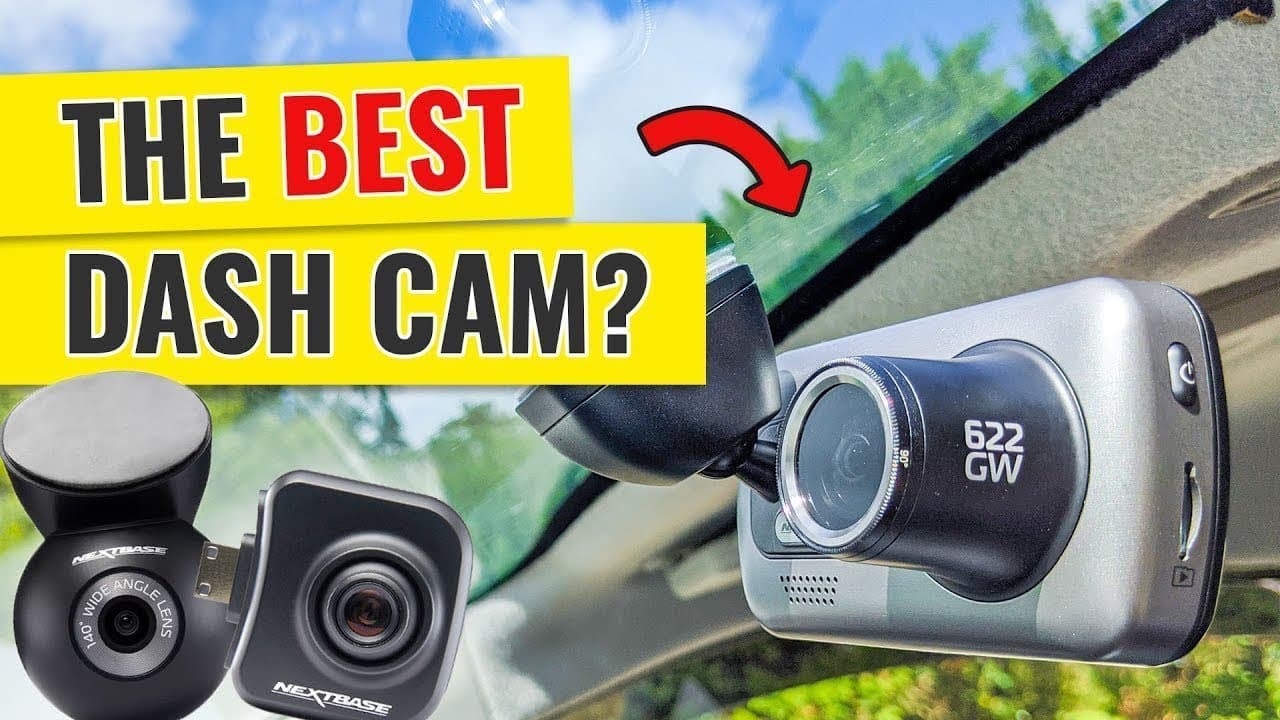
After extensive testing and research, the Garmin Dash Cam 67W stands out as the best overall dash cam with its excellent 1440p video quality, compact design, and reliable GPS. For those wanting front and rear coverage, the Viofo A129 Pro Duo offers outstanding value. The Nextbase 622GW leads in pure video quality with 4K resolution, while the BlackVue DR900X Plus is the premium choice for cloud connectivity and parking mode.
Pros
- CPRO
Very compact design.
The compact form factor mounts discreetly behind the rearview mirror, maintaining an unobstructed windshield view while remaining virtually unnoticeable to passengers.
- LPRO
GPS works flawlessly.
The GPS is incredibly accurate. Speed and location data are always spot-on, which gives users peace of mind for insurance purposes.
- NPRO
Excellent smartphone app.
The Garmin Drive app makes it very easy to view and share footage. Users can quickly pull up clips on the phone without needing to remove the SD card.
Cons
- SCON
Single camera only.
Would benefit from it had a rear camera bundle option. For complete coverage, youll need to buy a separate rear unit which adds to the cost.
Pros
- PPRO
Outstanding dual-camera value.
The combination of 4K front camera, 1080p rear camera, and GPS at this price point offers exceptional value. Competitive pricing analysis confirms this as one of the best deals in the dual-camera dash cam category.
- MPRO
Crystal-clear 4K footage.
The 4K video capture delivers enough detail to clearly read license plates on moving vehicles. Night footage quality also maintains high standards.
- EPRO
Effective parking surveillance.
The parking mode provides reliable surveillance during extended parking periods, capturing footage of nearby incidents and vehicle contacts. Valuable for airport parking and high-risk locations.
Cons
- DCON
App needs improvement.
The smartphone app works but sometimes takes a few tries to connect via WiFi. Not a dealbreaker but could be smoother.
Pros
- CPRO
Unmatched image quality.
If users want the absolute best video quality, this is it. The 4K footage is incredibly detailed and the image stabilization is top notch.
- LPRO
Cool voice control feature.
Being able to say Alexa, save that to protect footage is handy when something happens on the road.
- SPRO
Innovative location feature.
The what3words feature is clever - emergency services can find the exact location in seconds. Great safety feature.
Cons
- MCON
Premium price tag.
Lets be honest - its pricey. Users need to want the best quality to justify the cost over cheaper alternatives.
- ECON
Storage limitation.
Only supports up to 128GB cards which fills up faster than youd think with 4K footage. Wish it supported larger cards.
Frequently Asked Questions
For most drivers, 1440p (2K) resolution offers the best balance of quality and storage efficiency. 4K resolution provides the sharpest footage and makes reading license plates easier, but it requires more storage space and faster memory cards. 1080p is acceptable for basic documentation but may struggle to capture fine details at a distance.
A dual-channel (front and rear) dash cam provides comprehensive coverage and is highly recommended for complete protection. Rear cameras capture tailgaters and rear-end collisions that a front-only camera would miss. For rideshare drivers, a three-channel system with an interior camera is ideal for documenting passenger interactions.
For 1080p recording, a 64GB card typically provides 4-6 hours of footage. For 1440p or 4K, you will want at least 128GB to 256GB. Most dash cams use loop recording, which automatically overwrites the oldest footage when the card is full, so you do not need unlimited storage. Make sure to use a high-endurance microSD card designed for continuous video recording.
GPS is a valuable feature that records your location and speed data along with video footage. This information can be crucial evidence for insurance claims and accident investigations. GPS also enables useful features like speed alerts and location tracking in companion apps. While not essential, GPS-equipped dash cams provide more comprehensive documentation.
Parking mode allows your dash cam to record when your car is parked and turned off, typically triggered by motion or impact detection. This is useful for capturing hit-and-run incidents, vandalism, or break-in attempts. Parking mode usually requires hardwiring the camera to your car battery or using a dedicated battery pack to avoid draining your vehicle battery.